From the forest to the field: APU students put science into practice
Alaska Pacific University’s Survey and Methods in Environmental Science course gives students hands-on experience collecting, analyzing and communicating scientific data through fieldwork across Alaska.
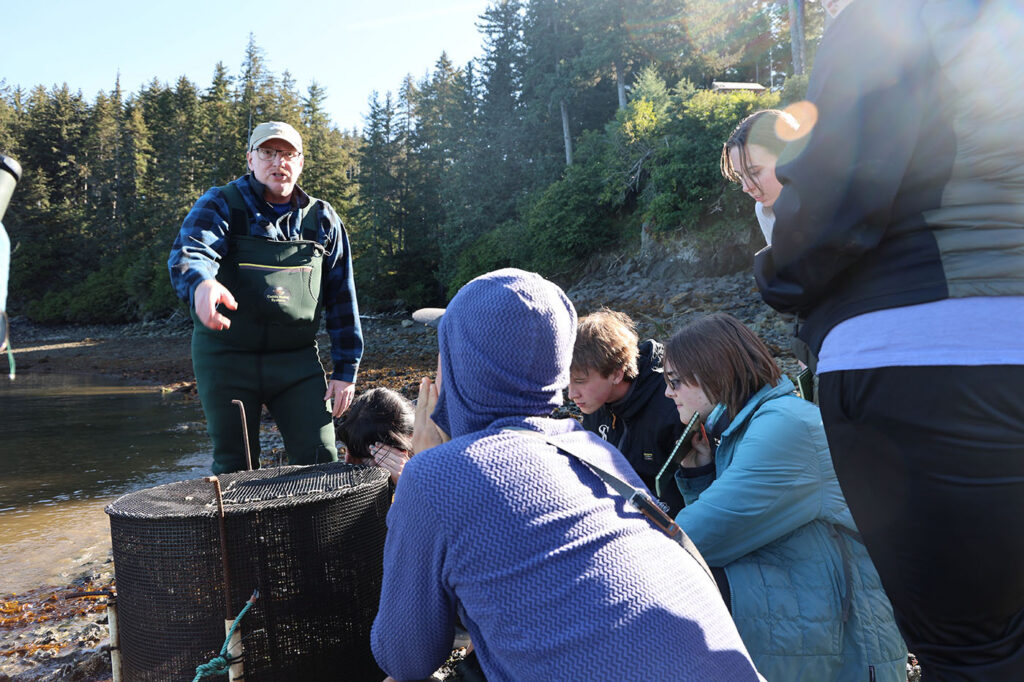
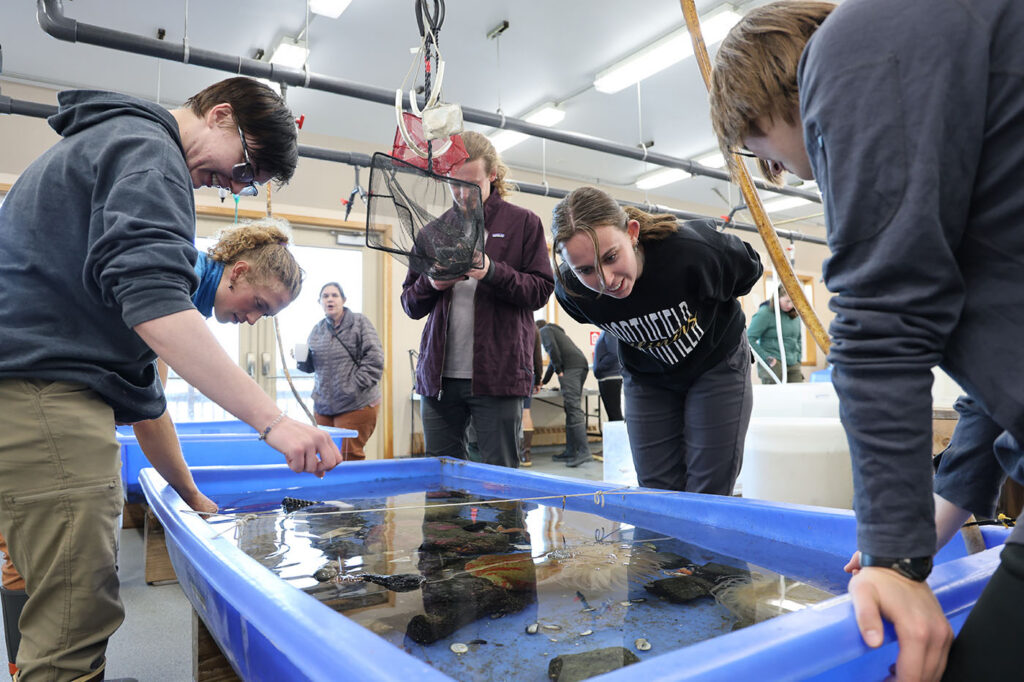


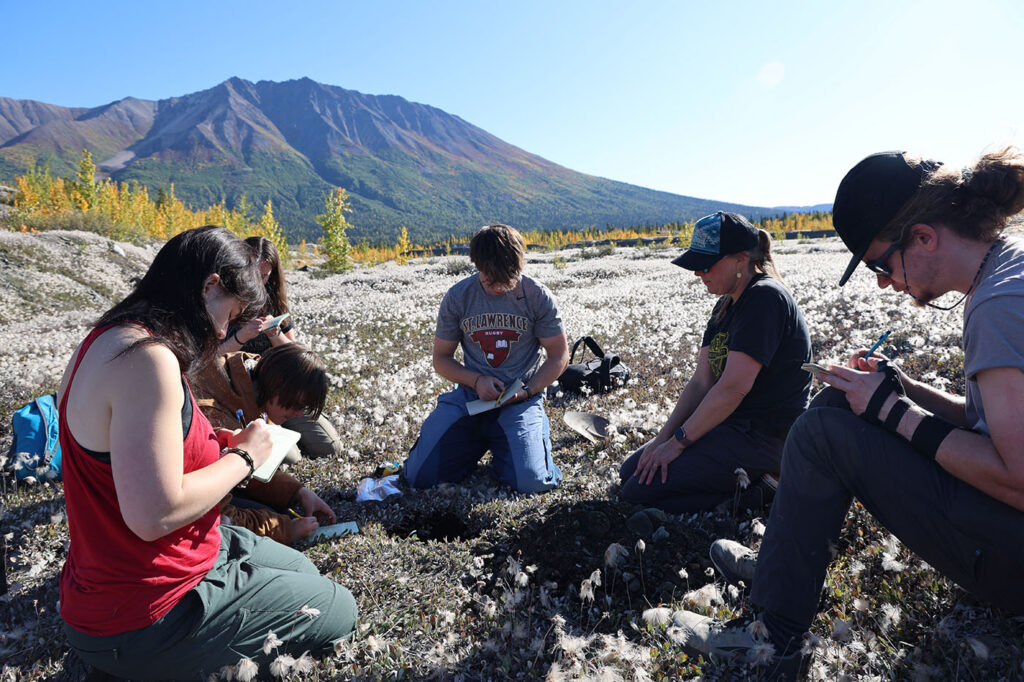

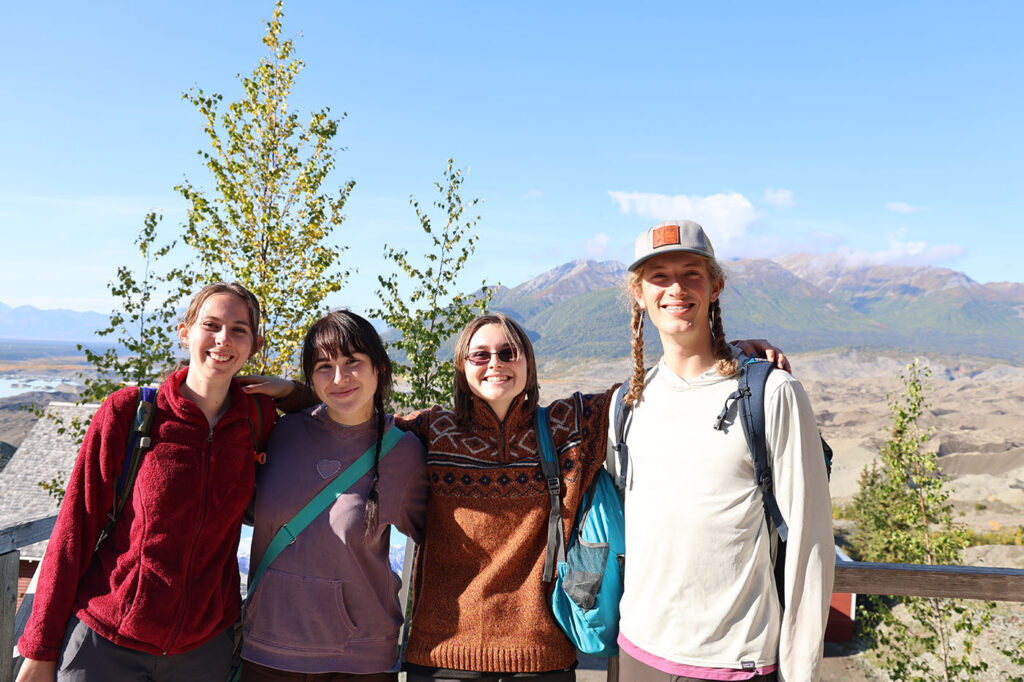
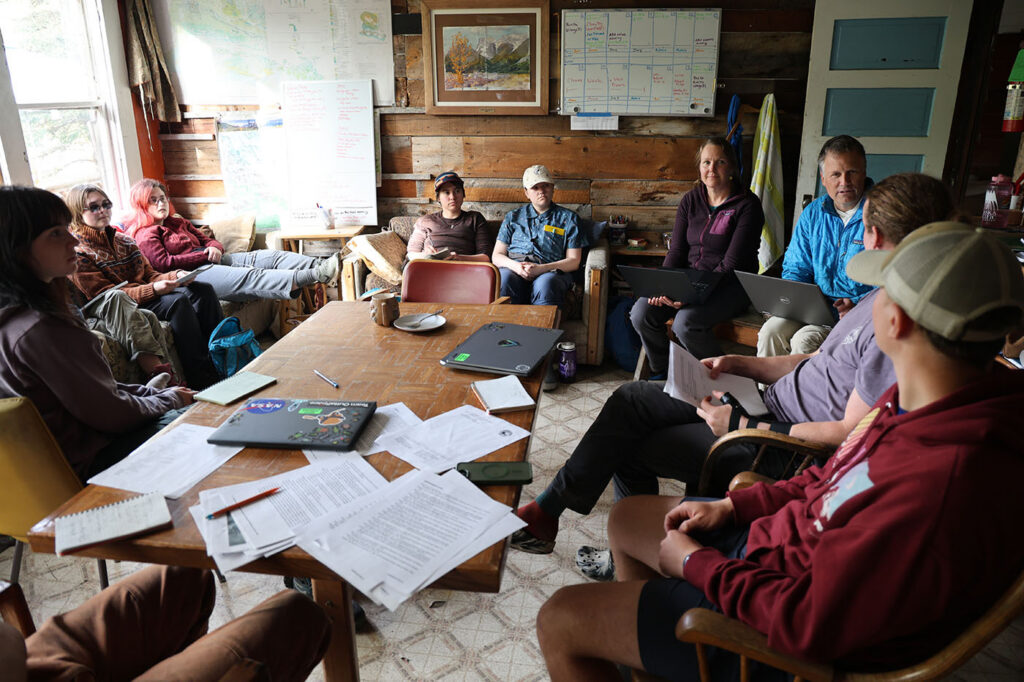




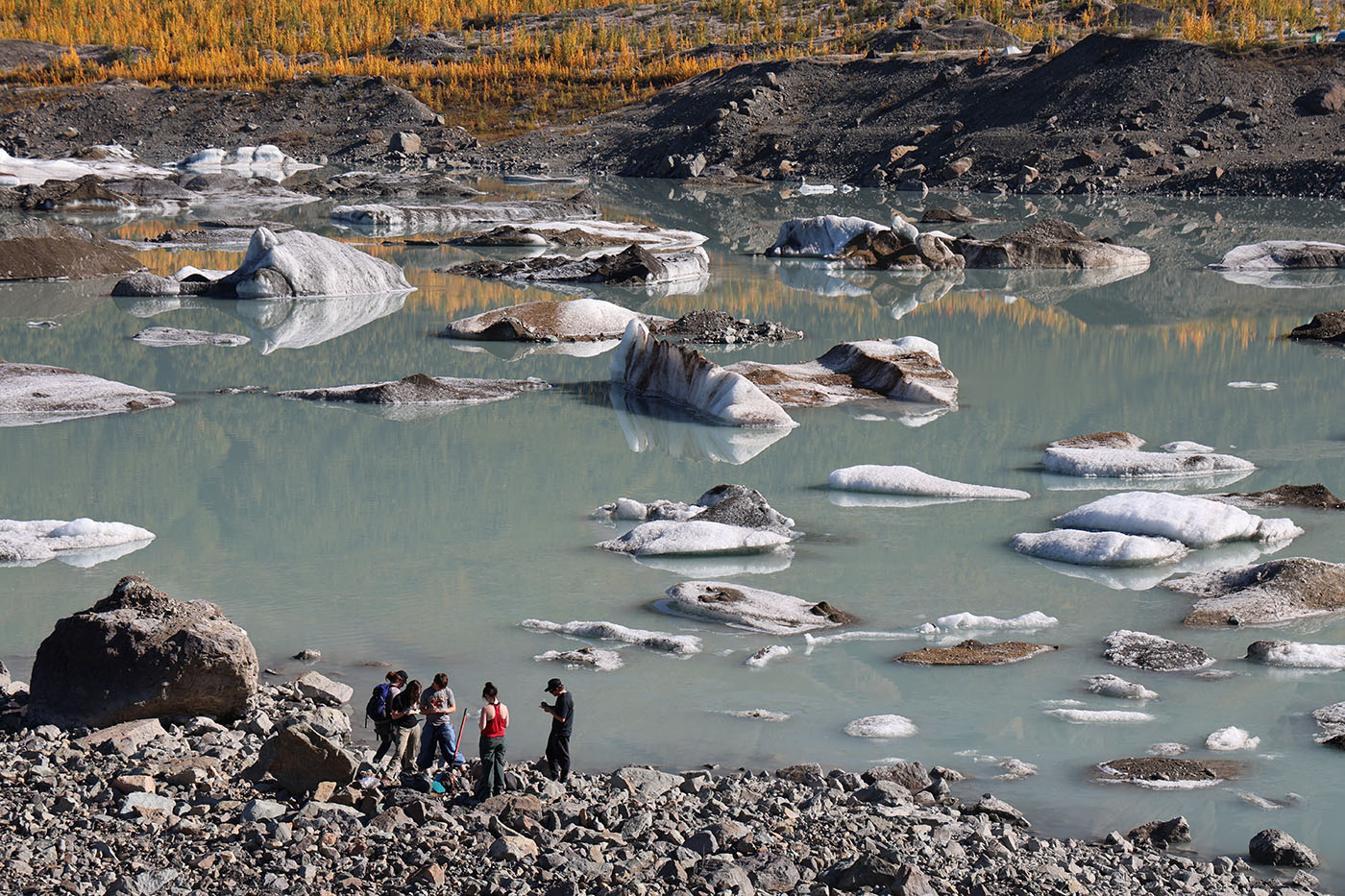


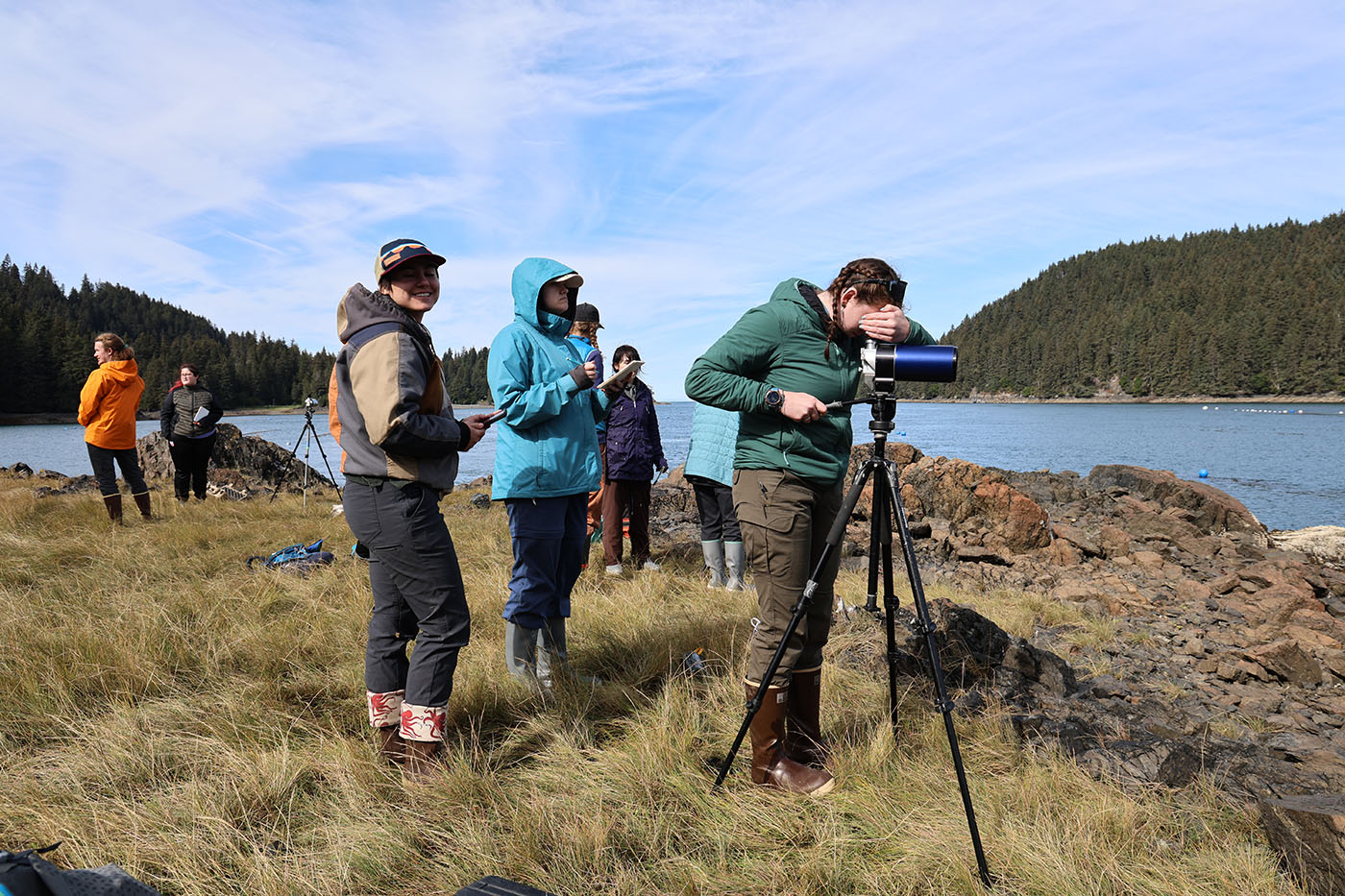
What does it take to turn a scientific question into meaningful research? For students in Alaska Pacific University’s Survey and Methods in Environmental Science course, it starts with getting out into the field. A favorite among environmental science students, this fall Block class introduces the tools and techniques scientists use to study Alaska’s forests, rivers, glaciers, and marine ecosystems. Led by Jason Geck, Ph.D., Professor of Earth Science, and Amanda King, PhD., Professor of Geology and Earth Science, the course combines classroom instruction with extended fieldwork. Students contribute to research projects while learning how scientific measurements can inform real-world decisions.
“We want students to leave knowing how real field science gets done, and how to turn real-world measurements into useful results,” Geck said.
Learning science by doing science
Rather than relying solely on textbooks, students spend approximately two weeks on campus and two weeks conducting fieldwork at locations across Alaska. They learn to design studies, collect and manage data, analyze results and communicate their findings.
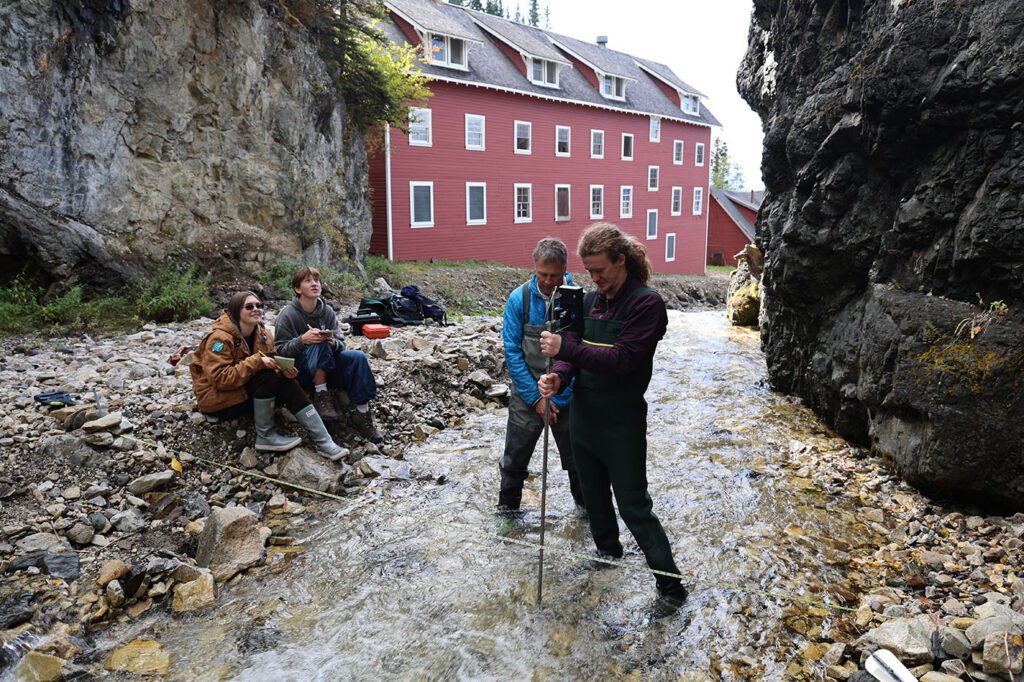
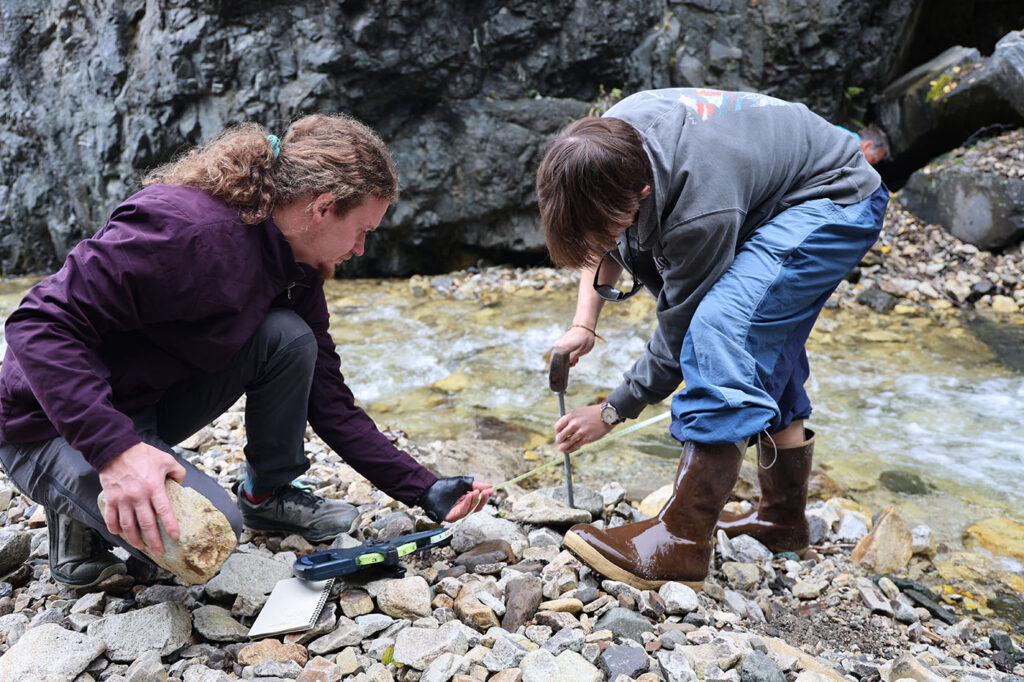
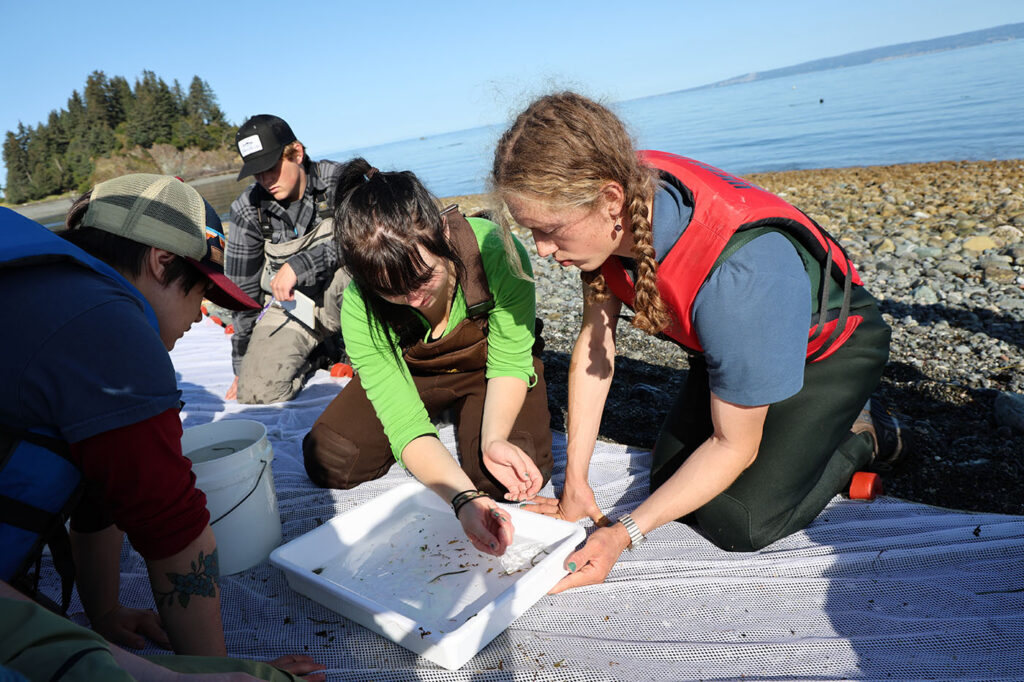
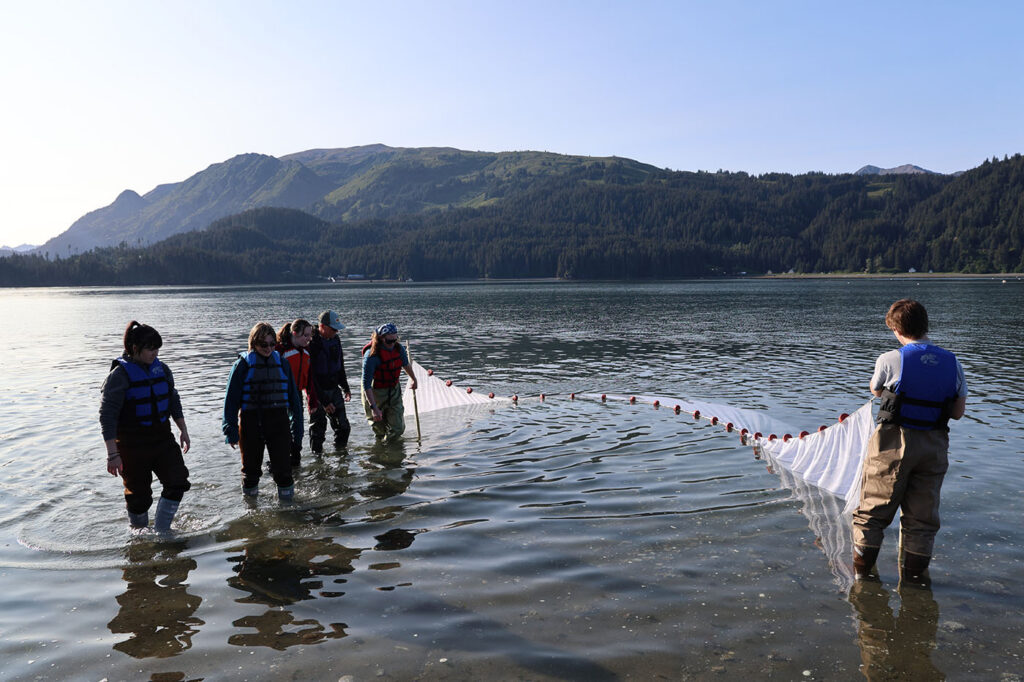
“You can read about fish populations or streamflow, but you only really understand them when you’re hauling a beach seine along the shore or in a river taking velocity readings yourself,” Geck said. “Because students contribute to ongoing research, their data truly matters.”
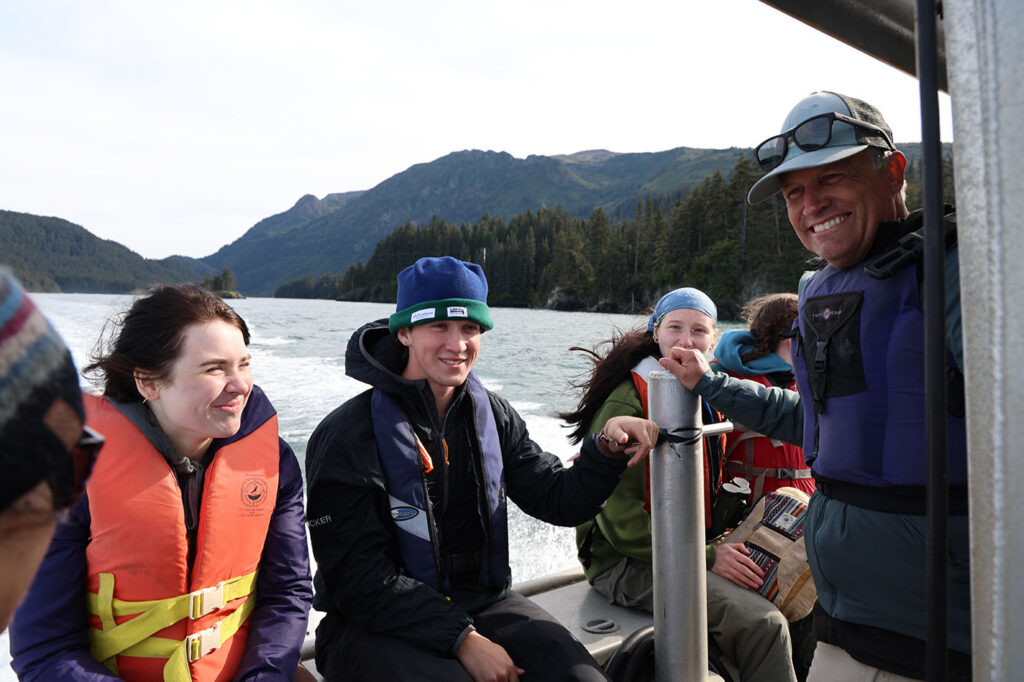
The course begins on APU’s Anchorage campus, where students learn forestry methods and explore carbon accounting in the surrounding forests. They then travel to the National Oceanic and Atmospheric Administration’s Kasitsna Bay Laboratory near Homer to investigate marine biodiversity and observe wildlife.
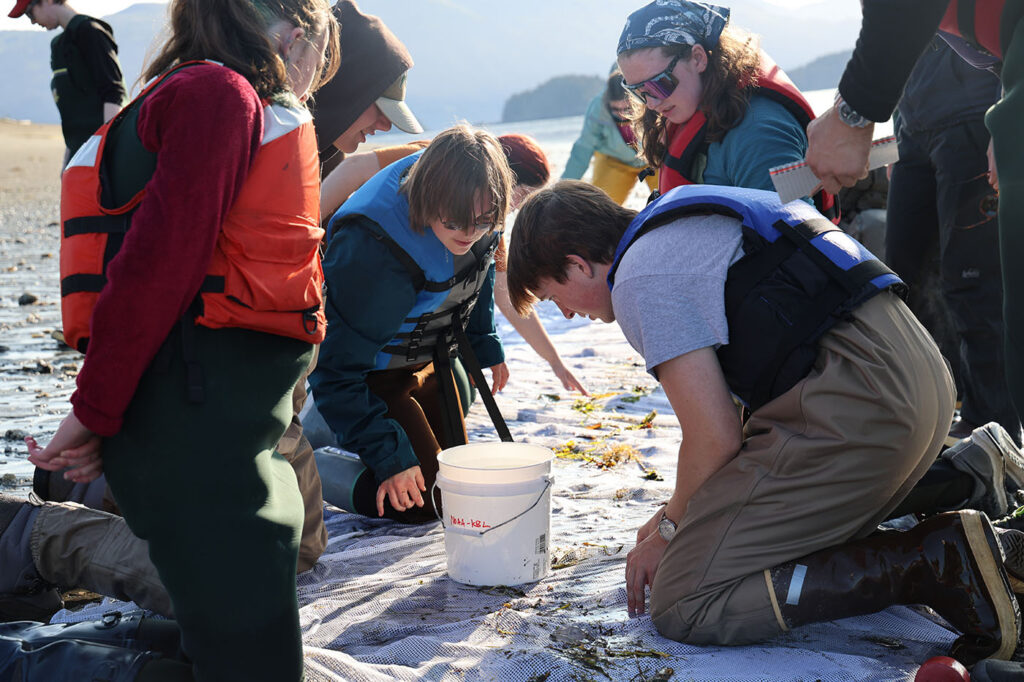
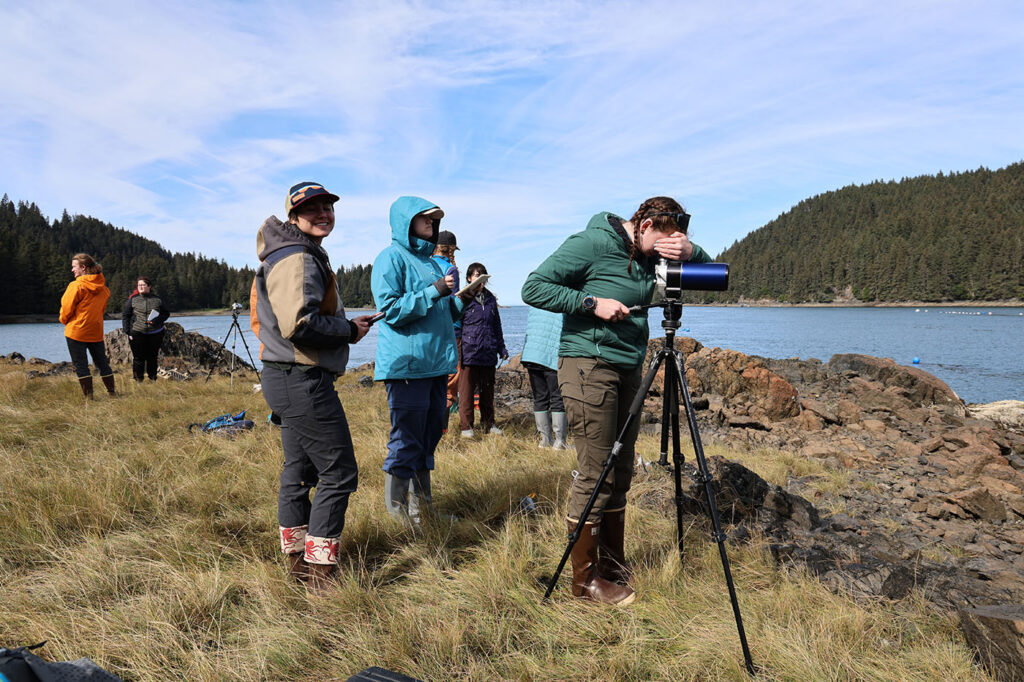
Students use beach seines to identify fish and other marine animals. They also study sea otter behavior at several locations throughout Kachemak Bay, documenting activities such as resting, grooming, foraging, traveling and interacting with other otters. The research is enriched by the expertise of Kim Kloecker, a marine biologist with the U.S. Geological Survey’s Alaska Science Center whose work focuses on sea otter behavior, ecology and health. For students, observing wildlife firsthand offers a chance to see how scientific research can reveal patterns in the natural world.
“I enjoyed observing how the otters interact with one another and seeing how different animals come together,” said APU student Haley Kleiber. “Identifying the fish was also a really interesting part of the experience.”
Students also connect their observations to broader environmental questions. Before arriving at each field site, they read published research on topics such as sea otter activity around oyster farms and how increasing glacier discharge affects marine ecosystems. By pairing scientific literature with their own observations, students learn how researchers investigate questions affecting Alaska’s wildlife and coastal environments.
Research with real-world applications
The course goes beyond observation. Students collect data that can support ongoing research and resource management.
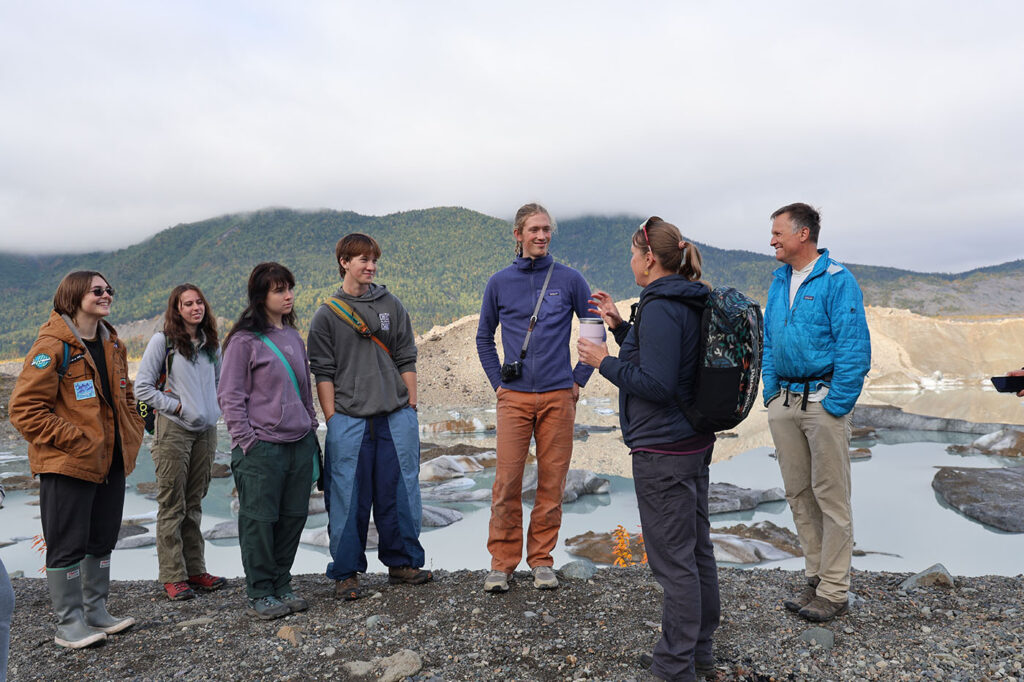
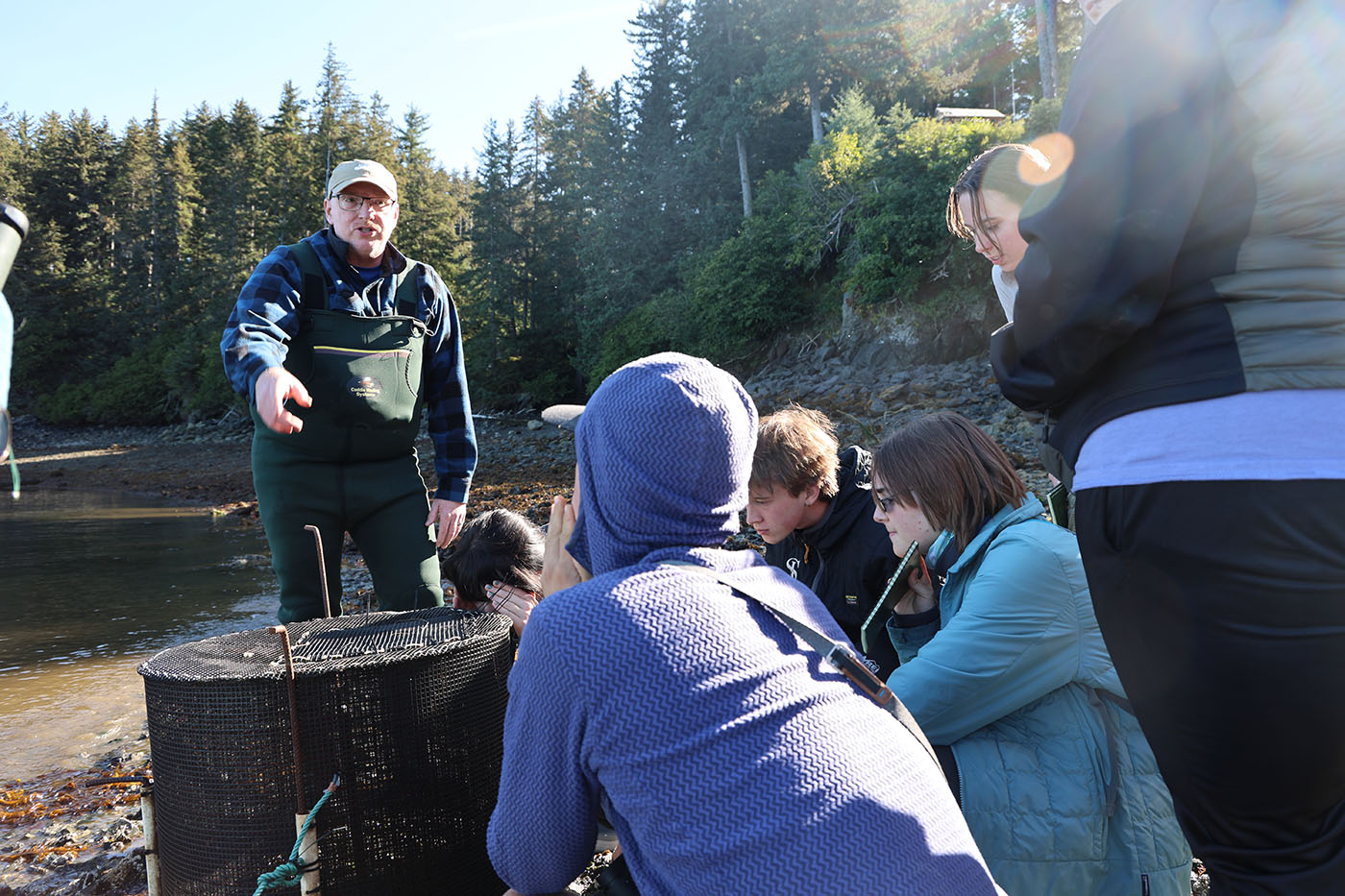
Near Homer, students measure the depth of a local fishing lagoon and will share their findings with the Alaska Department of Fish and Game. The information will help inform decisions about whether the lagoon needs to be dredged to maintain suitable conditions for salmon. In the McCarthy area, students spend five days studying hydrology and mapping surficial geology. Near the historic Kennecott Mine, they measure river discharge in National Creek, which is fed by a rock glacier. Their data will contribute to comparisons of streamflow from rock glacier-fed and conventional glacier-fed water sources. Students also collect data near the toe of the Kennicott Glacier to help update a U.S. Geological Survey geologic map of the McCarthy Quadrangle.
These projects show how careful data collection can contribute to a better understanding of Alaska’s changing landscapes and ecosystems while giving students experience with research that has practical applications.
Building skills for future careers
Throughout the course, students develop skills relevant to environmental science, earth science and marine biology. They learn to organize datasets, conduct graphical and descriptive statistical analyses, interpret results, and communicate their findings. Working in groups, students analyze their field data and create scientific posters that they present to the class and the APU community. The project gives them experience synthesizing research and explaining scientific findings to an audience.
“I really enjoyed being able to deep dive on one of the subjects while still gaining a broader understanding of all of the other topics,” said APU student Max Bingham.
For APU student Aaron Lippy, the course provided both a foundation in field research and a clearer sense of future opportunities. “This experience gave me a foundation of research skills I can rely on when collecting data in the field and pursuing future research opportunities,” Lippy said. “I also learned about ongoing research in Alaska and potential opportunities to get involved. I’m interested in applied science, and APU’s faculty connections to Alaska’s wildlife research community help us gain valuable experience and prepare for the job market.”
That connection between academic learning and professional experience is central to this course and others across at APU. Students leave with more than an understanding of scientific techniques. They gain practical experience applying those methods to real research questions, analyzing data and seeing how scientific findings can inform decisions about Alaska’s environment.
For students pursuing marine and environmental science, Survey Methods in Environmental Science offers a chance to experience the work firsthand: asking questions, gathering evidence and contributing to a deeper understanding of the natural world.