From the Ground Up: How APU’s Soil Health Grant Is Growing Stronger Farms and Communities

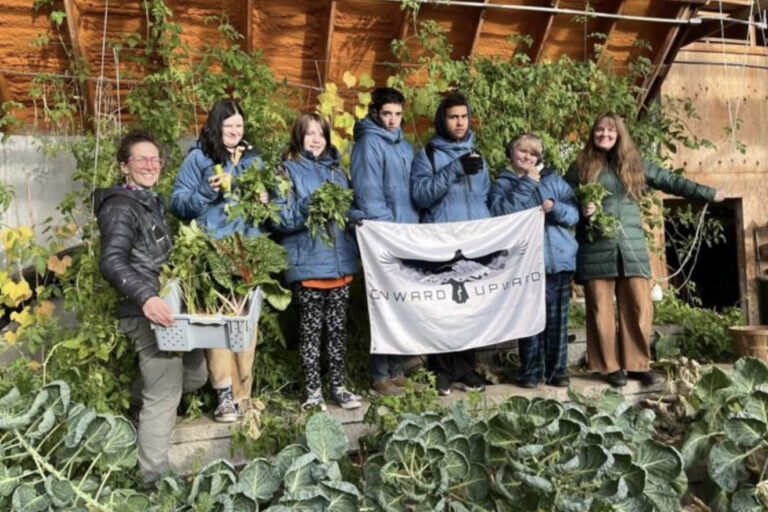
At Alaska Pacific University, the work of strengthening communities often begins at ground level—literally. Through APU’s Soil Health Grant, local and immigrant farmers across Anchorage are restoring the land they depend on while building more resilient food systems for their families and neighbors.
Rooted in the belief that healthy soil is the foundation of healthy communities, Alaska Pacific University’s Soil Health Program provides small, accessible grants to Tribal Conservation Districts, villages, and individual growers. Guided by the soil health principles of the Natural Resources Conservation Service (NRCS) and grounded in APU’s core values, the program supports efforts that honor both science and tradition. This work reaches beyond agriculture alone, fostering environmental, cultural, and economic resilience by investing directly in the people who know their land best and care for it every day.

For many of these growers, farming takes place on leased plots at Grow North Farm. While the land provides opportunity, limited resources can make it difficult to care for soil in ways that ensure long-term productivity. The Soil Health Grant changed that reality, allowing farmers to invest in practices that protect and replenish their soil while improving their livelihoods.
Fresh International Gardens (FIG), which serves refugee and immigrant communities, used grant funds to grow culturally important vegetables such as fenugreek, amaranth, and gardenhuckleberry—foods that nourish both body and cultural connection. The grant also supported soil amendments, drip irrigation, and row cover, improving moisture retention and reducing pest damage. As a result, FIG was able to expand its educational programming and provide more locally grown produce to the Anchorage community.
For family-owned farms like Ba-Lescas Brothers Familia, the grant made it possible to implement a comprehensive soil health plan. With funding for nitrogen-fixing crops, soil amendments guided by soil testing, improved irrigation, and new tools like a soil tilther, the farmer was able to increase yields while protecting soil structure. These improvements were not just helpful—they were essential to the farm’s success.

The owner of Family Group Farmer working in his fields.
Other growers, including Family Group Farm, Shaposhnyk’s Produce, YB Rana Family Vegetables, and Rainbow Produce, shared similar experiences. The grant allowed them to diversify crops, replenish nutrients depleted from the soil, install efficient irrigation systems, and use row cover to conserve moisture and reduce pests. These changes helped stabilize production and reduced the strain of farming in Alaska’s challenging growing conditions.
For smaller operations such as Umoja Vegetables and Dehgan Family Foods, even modest investments had a powerful impact. Access to seeds, soil amendments, and row cover gave these farmers the tools they needed to protect their land and improve harvests—steps that would not have been possible without financial assistance.
Across all of these farms, one theme is clear: healthy soil leads to healthy communities. By supporting sustainable farming practices, APU’s Soil Health Grant is improving food access, honoring cultural food traditions, and helping farmers build operations that can endure for years to come. What grows from this work is more than vegetables, t is resilience, opportunity, and a stronger local food system rooted in care for the land and the people who steward it.