
Why This Program?
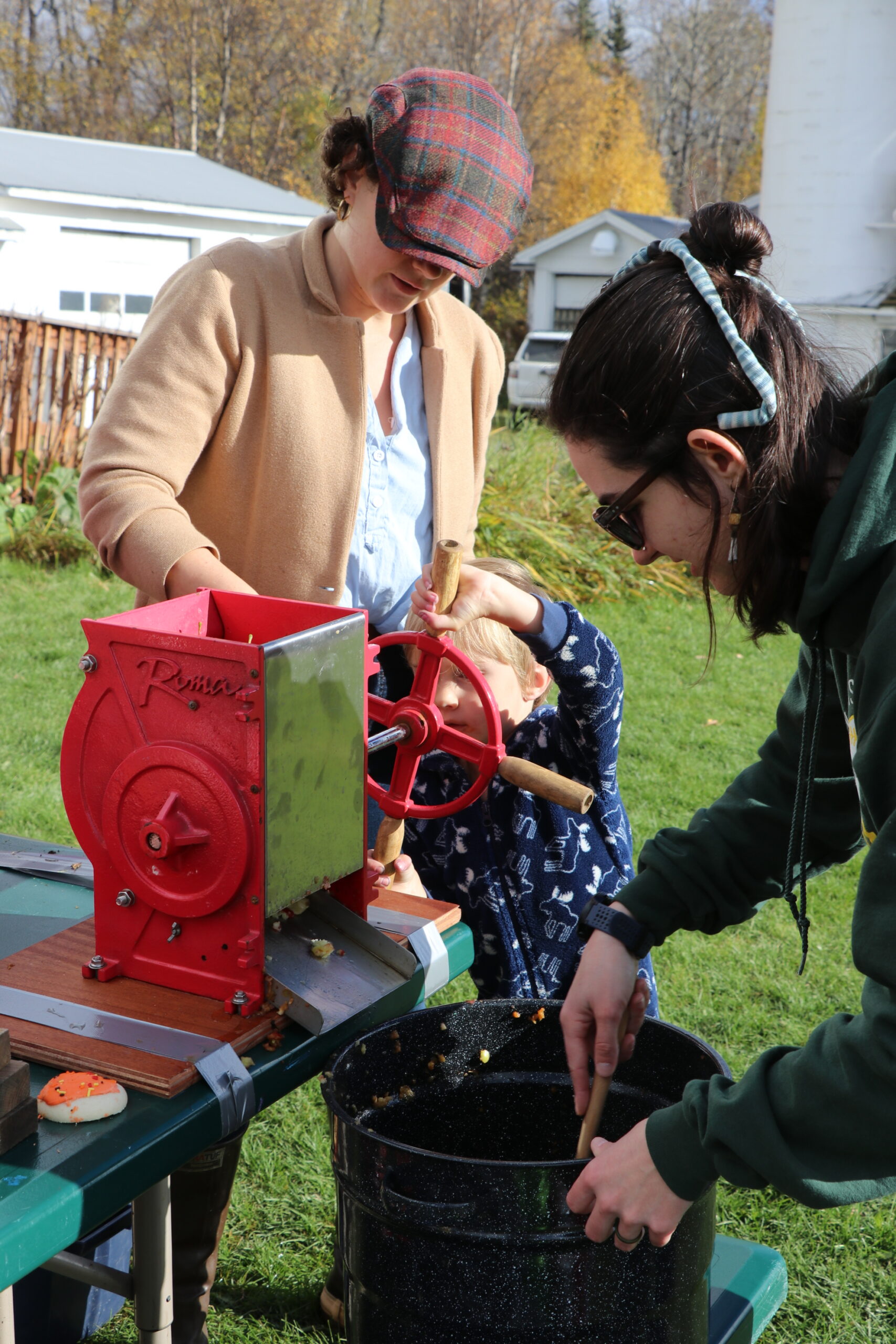
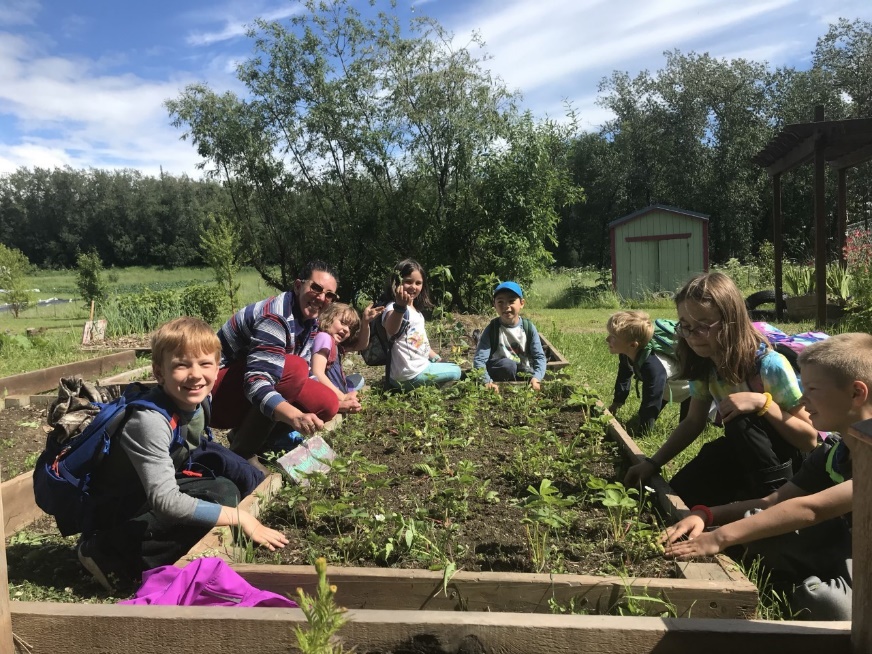
The Master of Science in Outdoor and Environmental Education (MSOEE) combines a love for nature with a commitment to teaching. The MSOEE program fosters connections to the natural world using the farm and forest as a living classroom. As part of a close-knit cohort, MSOEE students explore their interests in outdoor environmental, adventure, and wilderness education in a program designed to foster deep connections with the natural environment.

What MSOEE students say
Cascadia Pathway
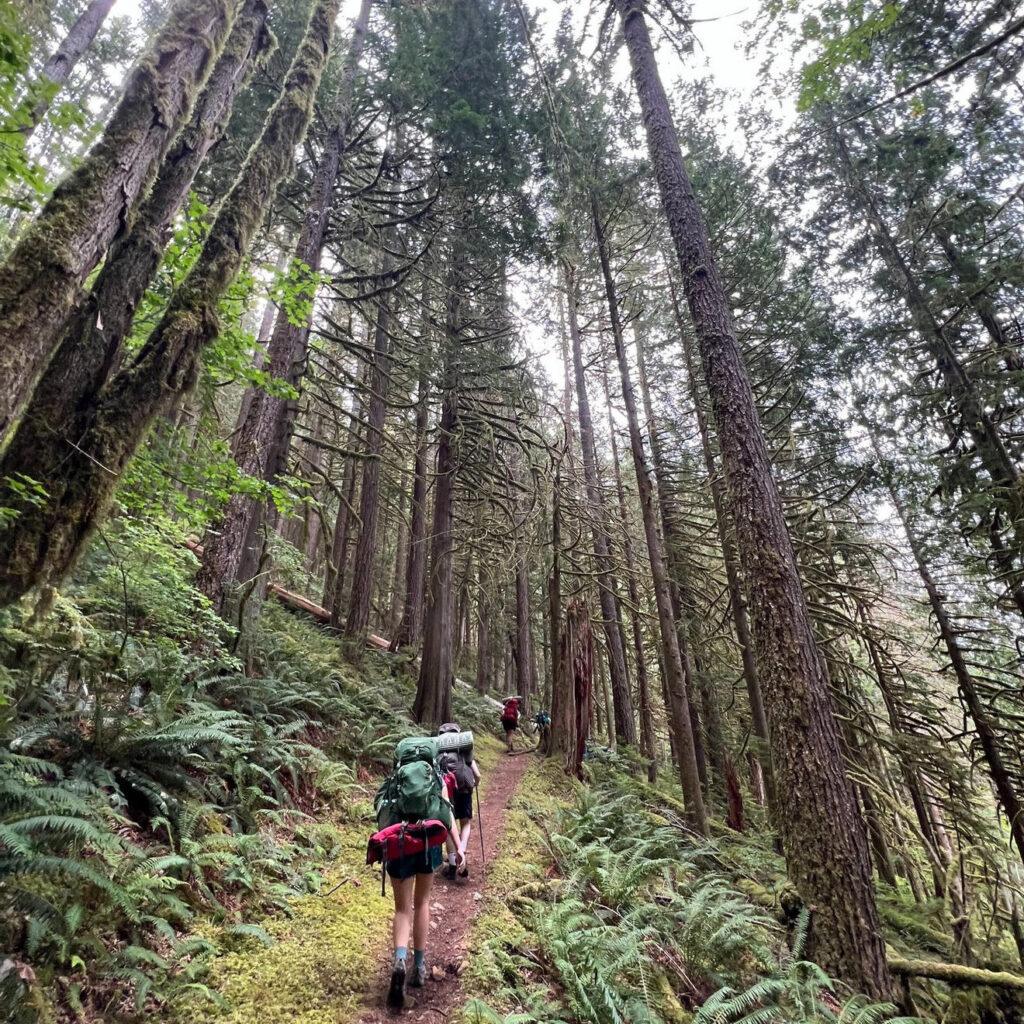
The MSOEE program at Alaska Pacific University combines hands-on learning with Alaska’s breathtaking wilderness as your classroom. Designed for passionate educators and leaders, this program offers rigorous academics alongside immersive field experiences, empowering you to turn your love for the environment into a meaningful career in outdoor and environmental education.

Semesters 1- 3
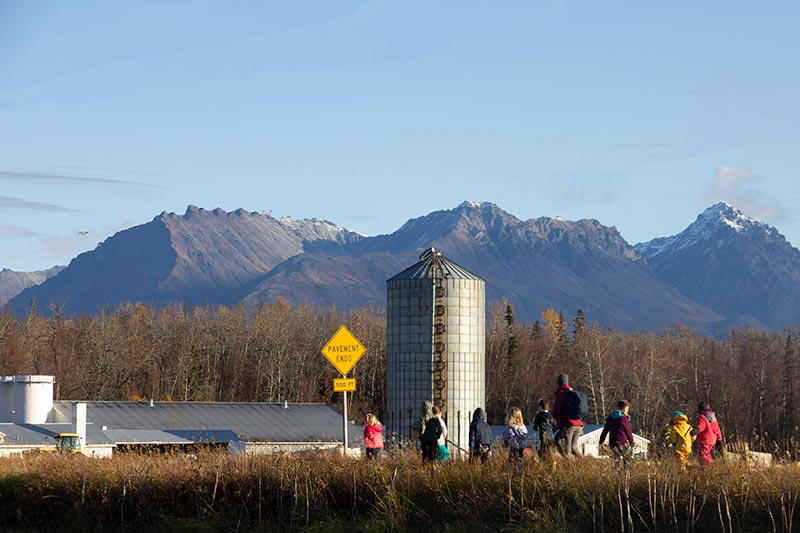
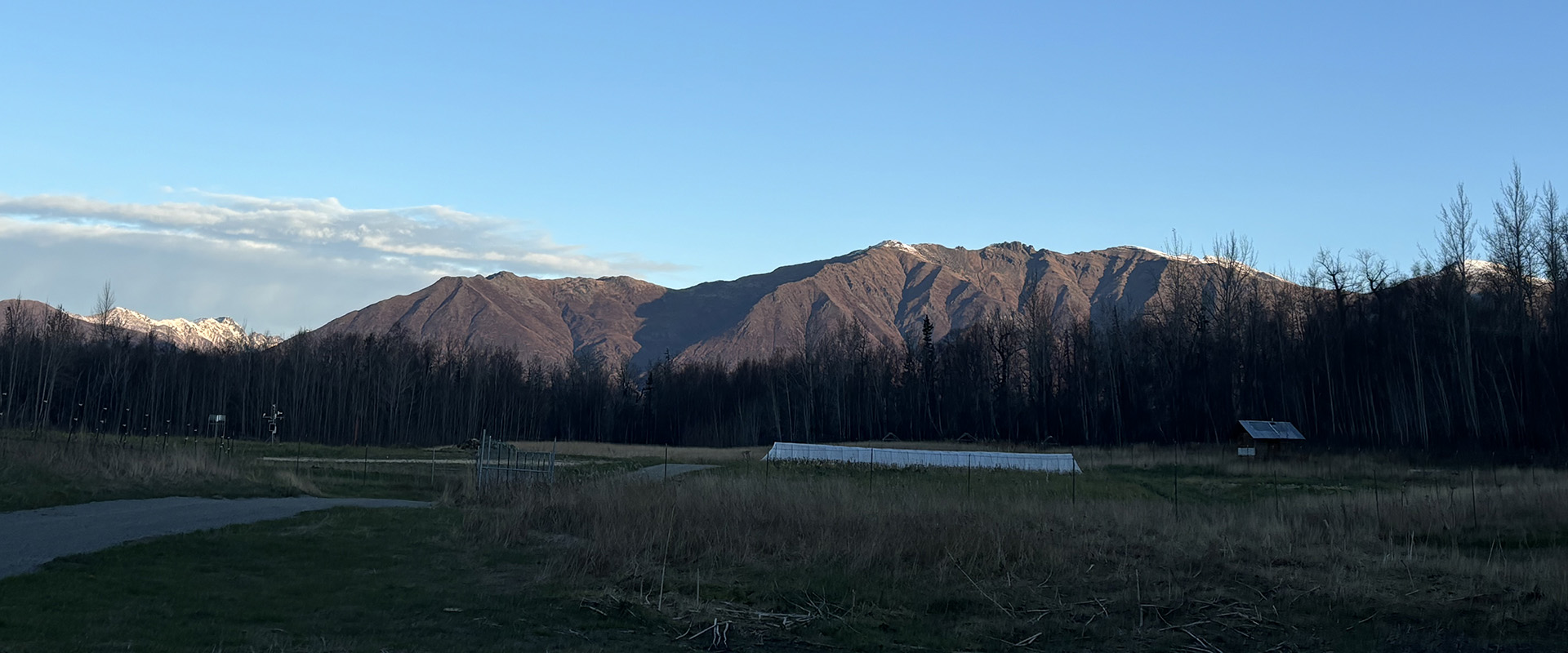
Attend APU at the Kellogg Campus in Palmer, AK
Semesters 4 & 5
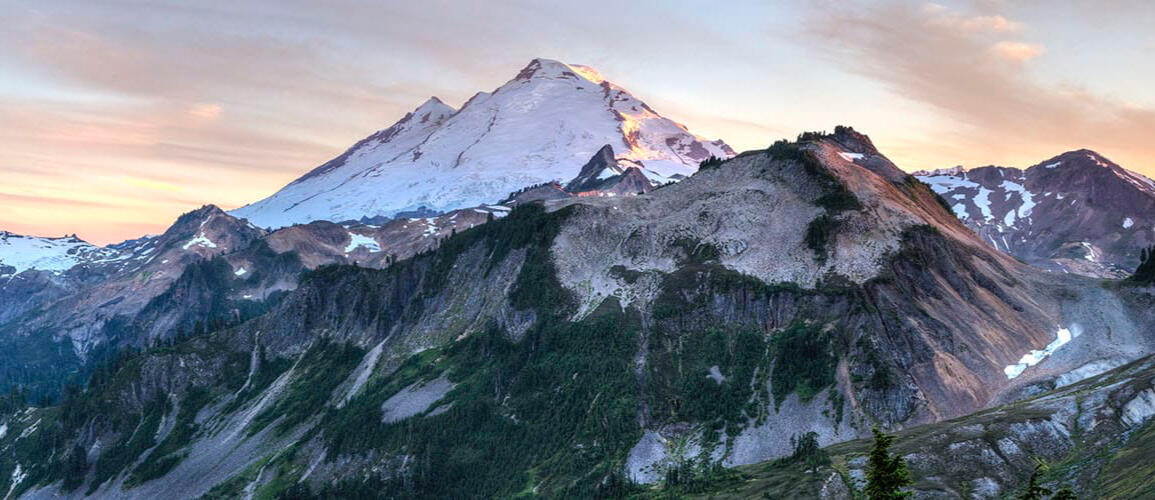
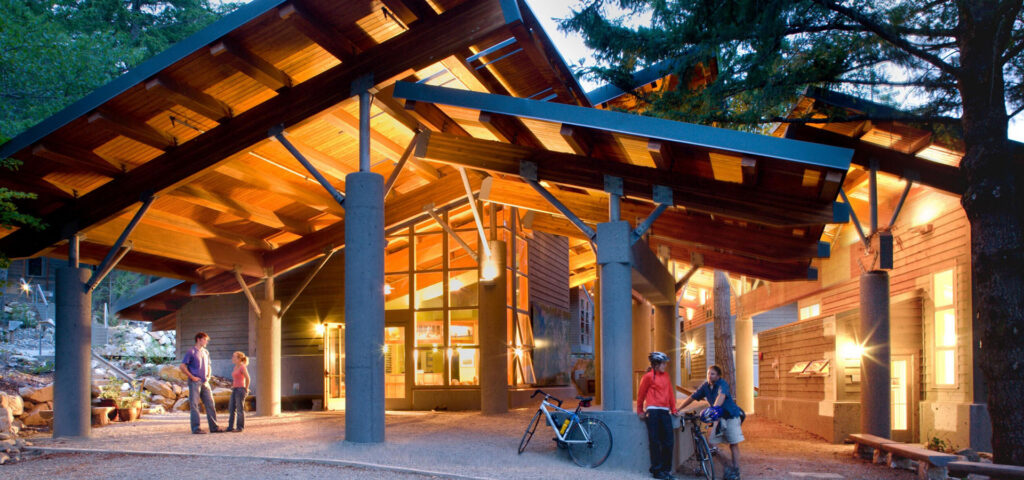
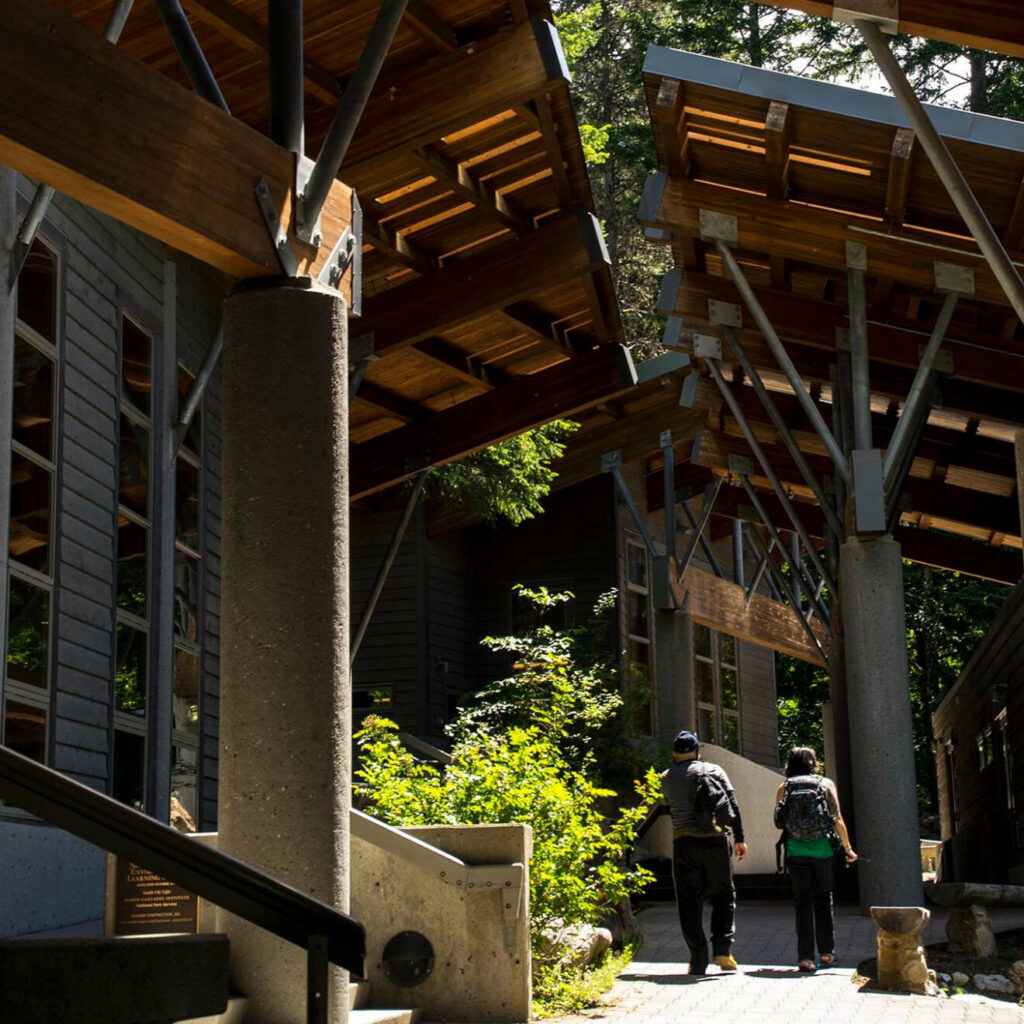
Work at North Cascades Institute in North Cascades National Park
“We know that graduate school is a huge commitment of time and money and we’re hoping to at least ease that burden on the financial side with this exciting new pathway. It also provides an incredible opportunity for students to teach in a deeply place-based way throughout the entire Pacific Northwest bioregion.”
– Steve Rubinstein, MSOEE Program Director
What Can You Do With a Degree in Outdoor & Environmental Education?
Graduates of this program are prepared for careers in outdoor, environmental, and experiential education, with Alaska offering abundant opportunities to work in parks, nonprofits, schools, guiding operations, wilderness programs, recreation management, and community organizations. Beyond outdoor education, students graduate with highly transferable skills in leadership, communication, risk assessment, teamwork, adaptability, and problem solving — skills that are valuable across nearly every profession. Whether leading groups in the field, facilitating learning experiences, managing programs, or working in dynamic environments, graduates are equipped to succeed wherever people, collaboration, and critical thinking are essential. The question isn’t what can you do — it’s what can’t you do?
Career Opportunities:
What will this program look like?
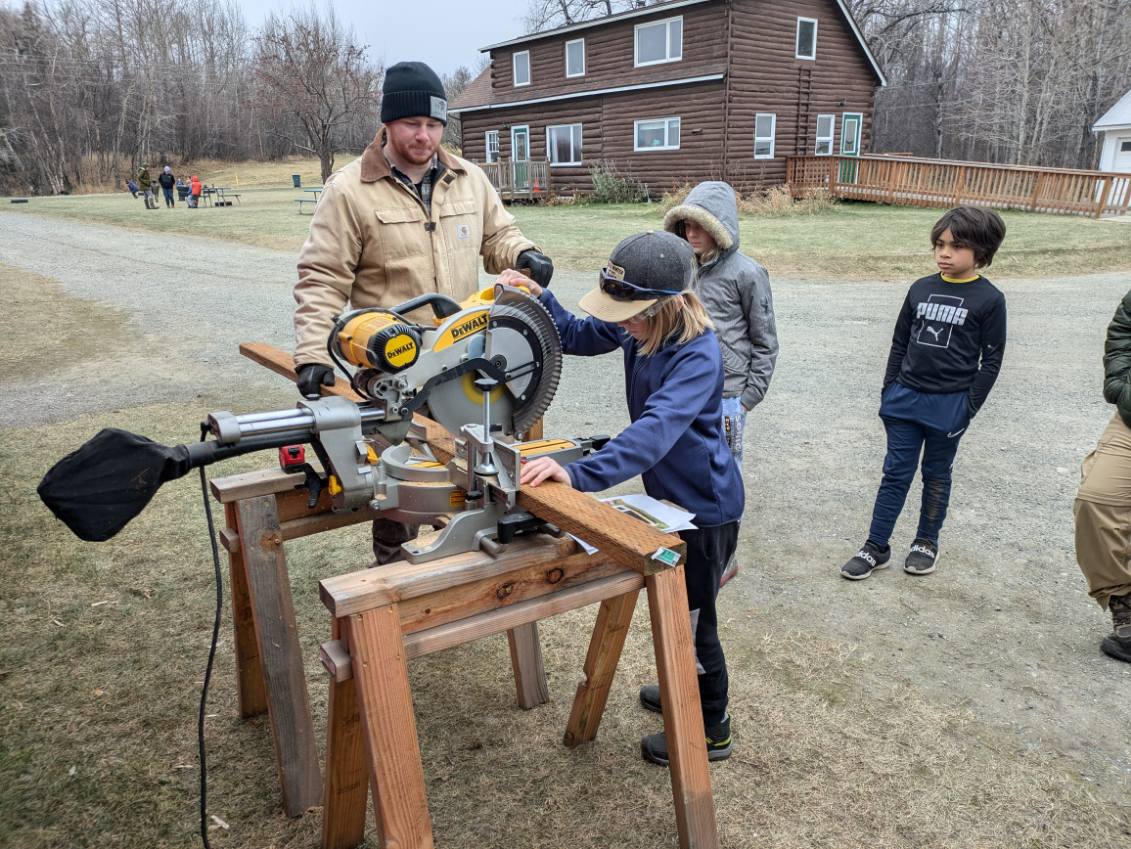
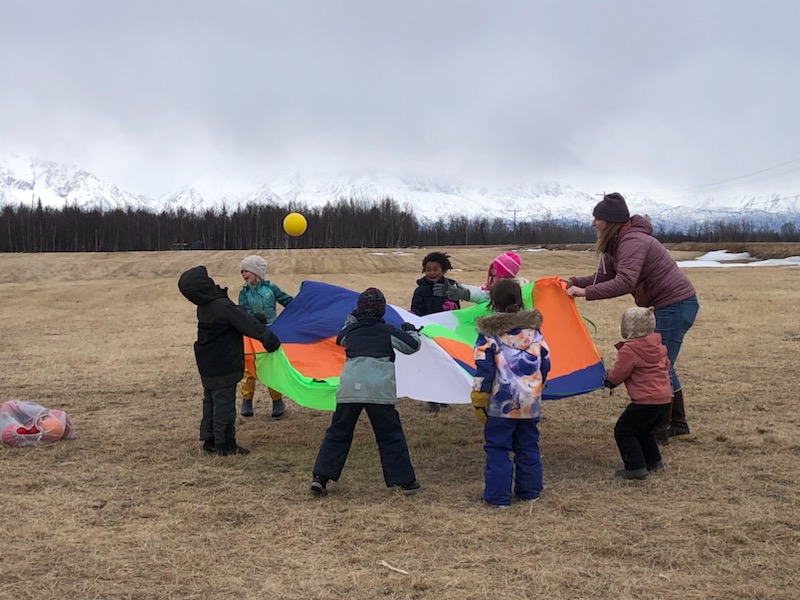
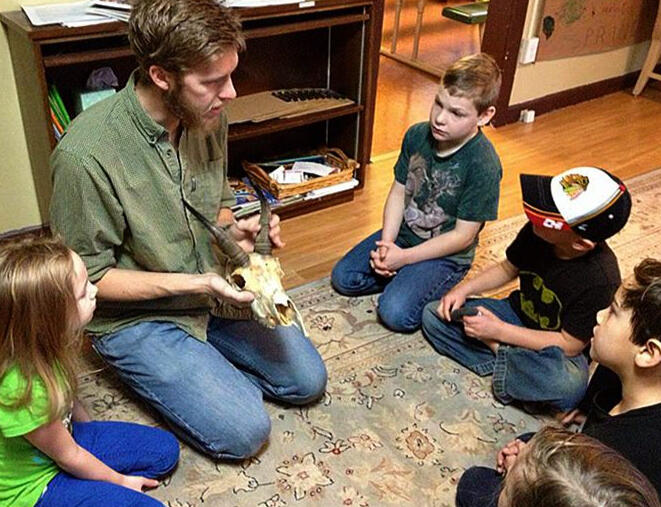
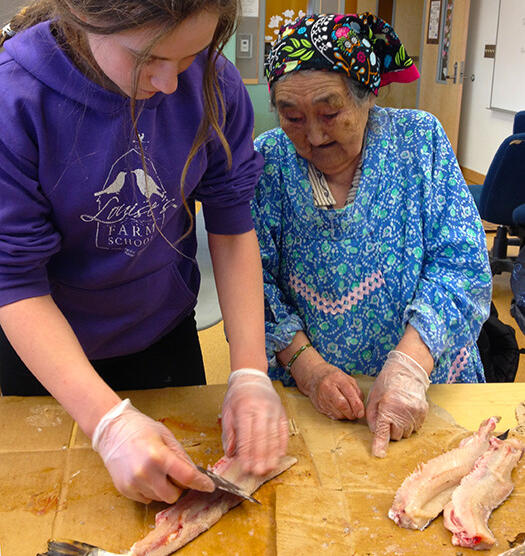
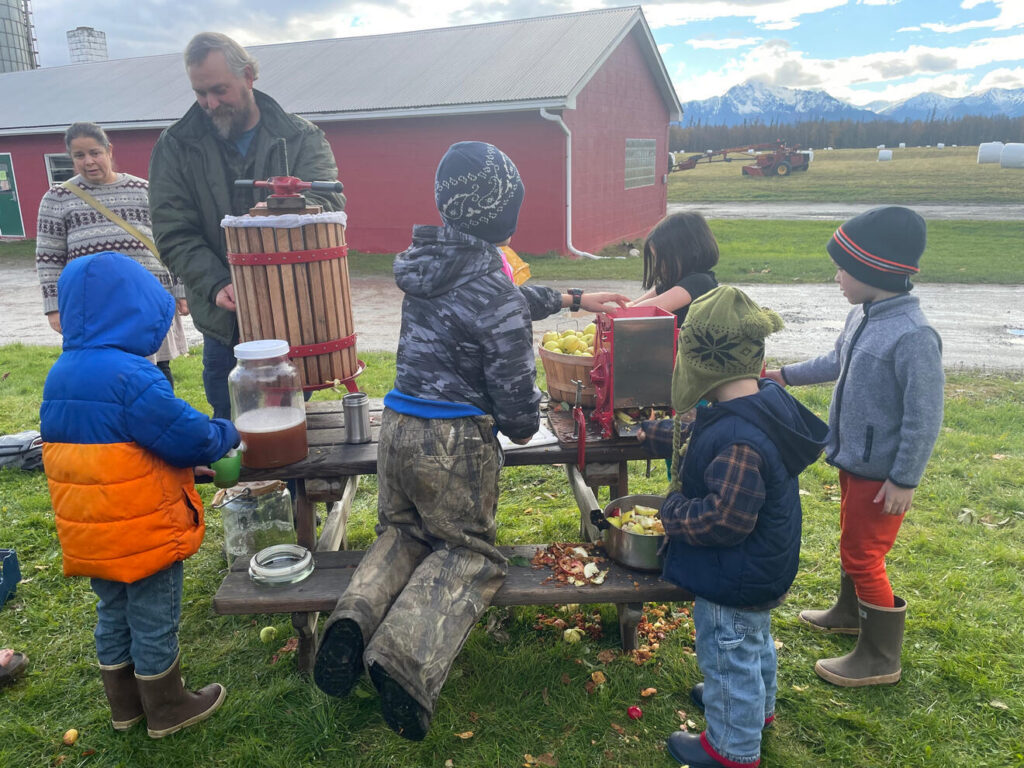
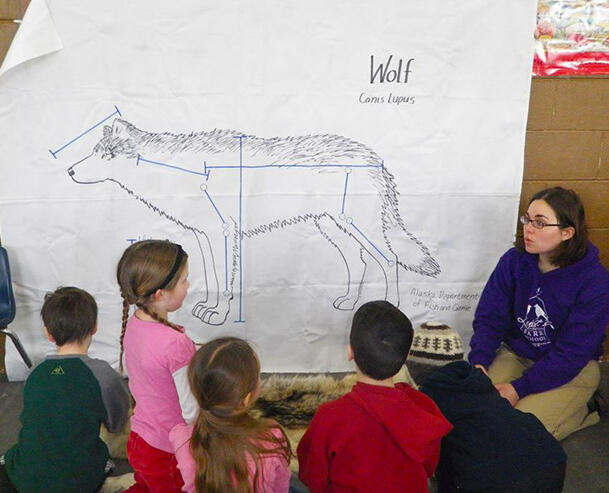
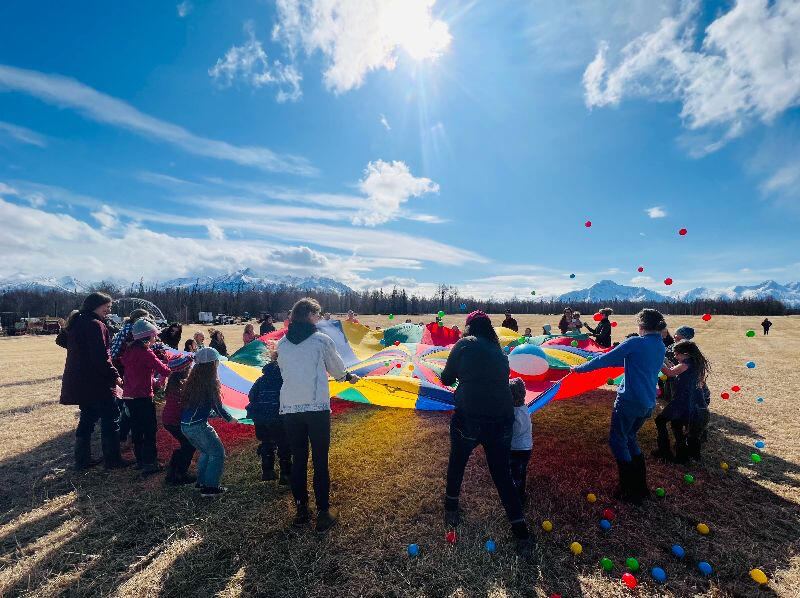
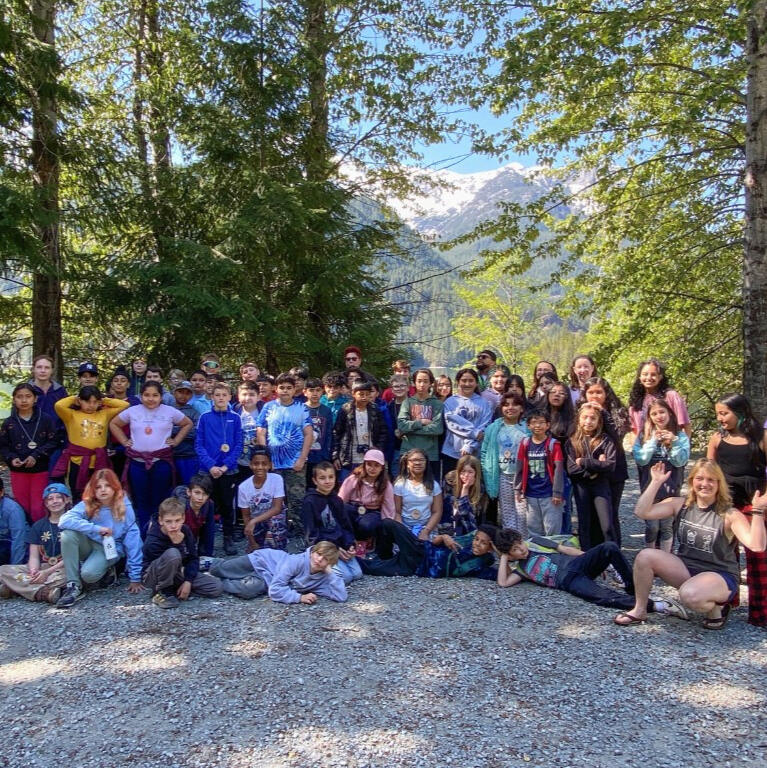
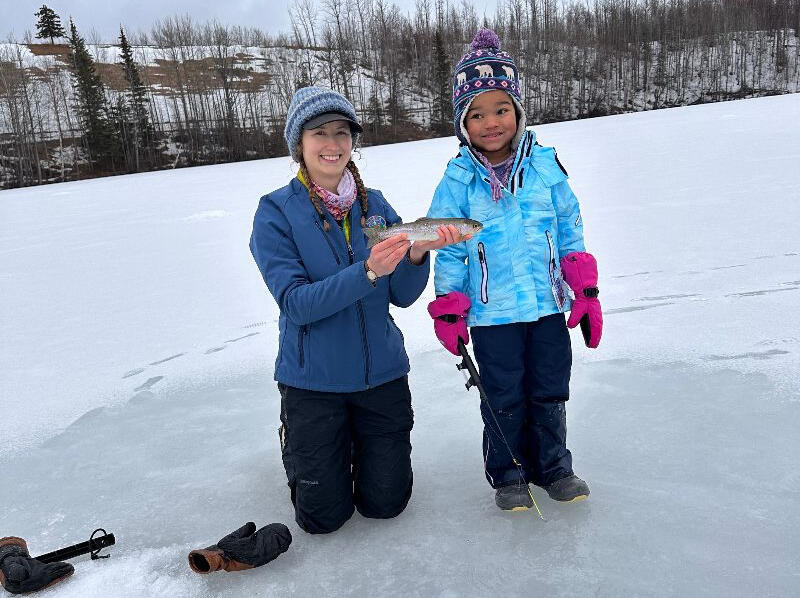
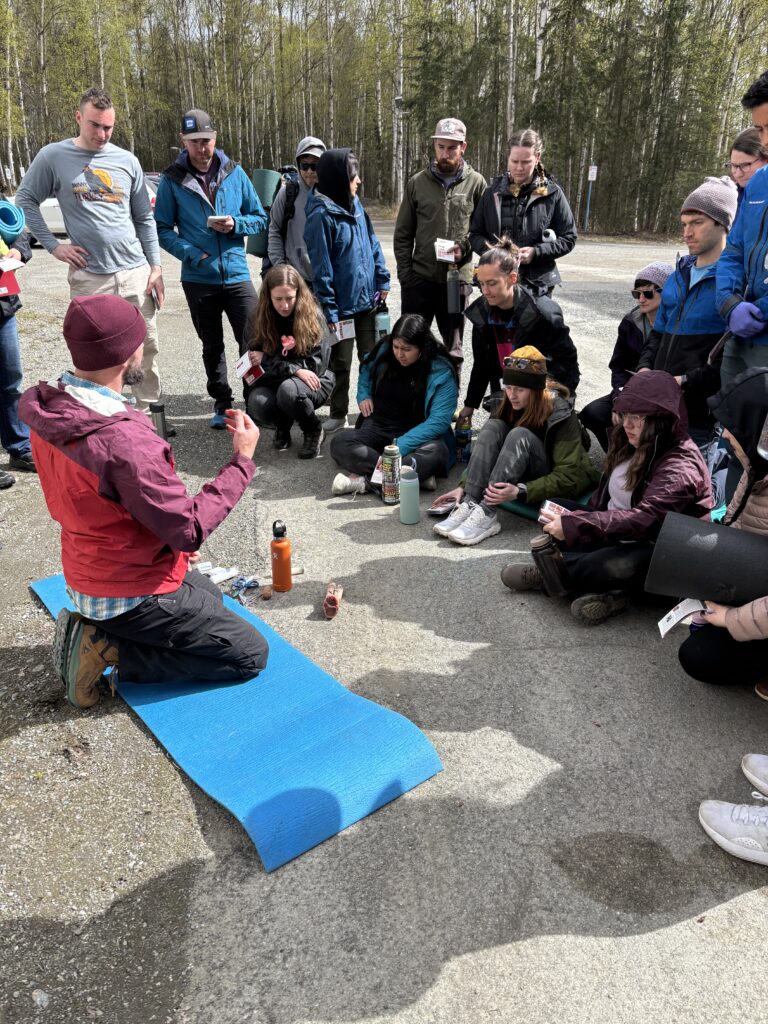
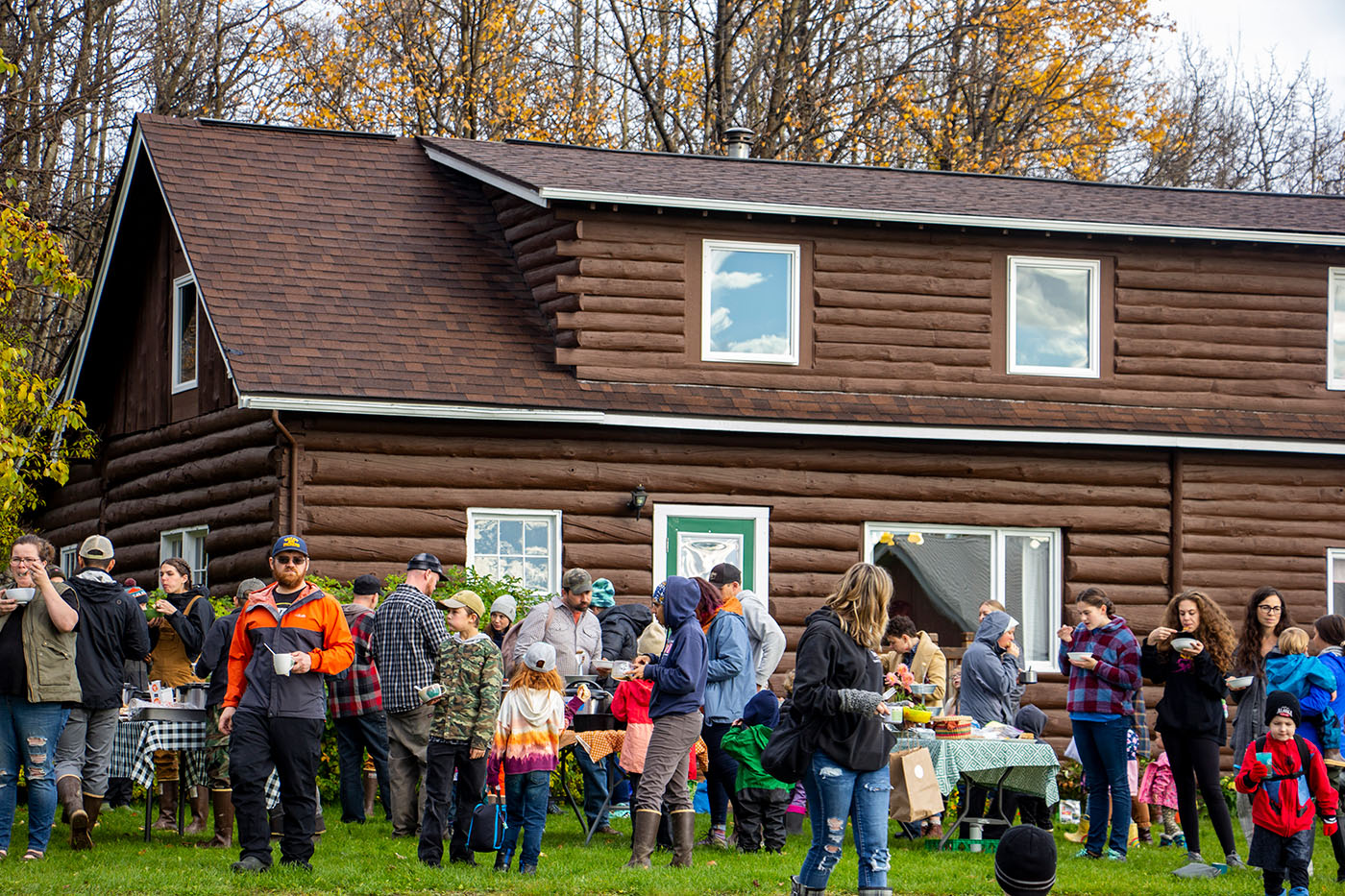
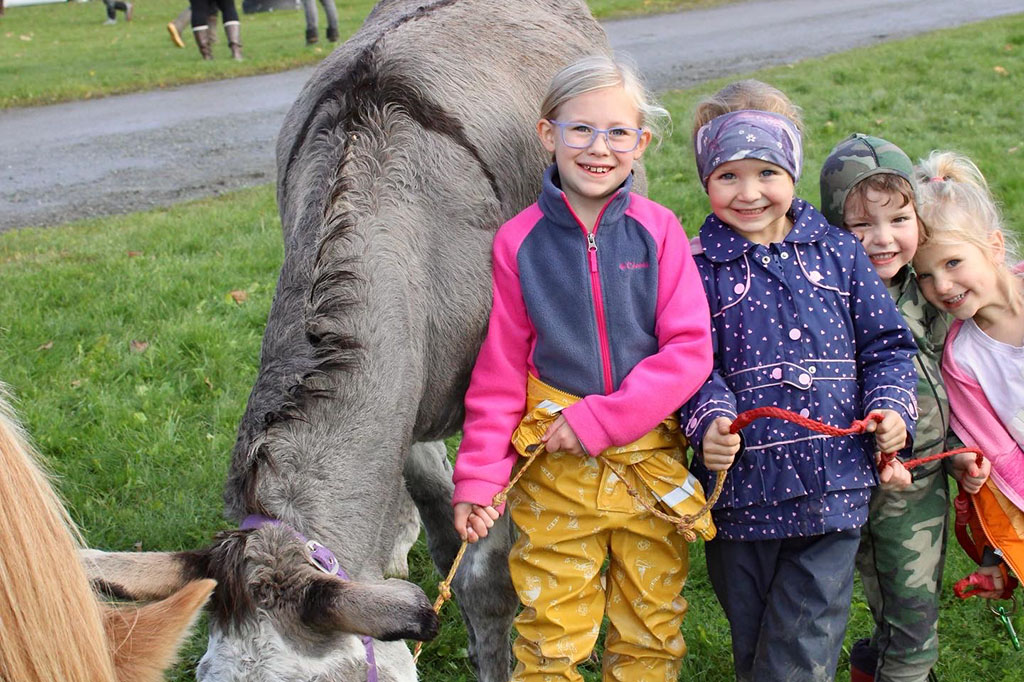
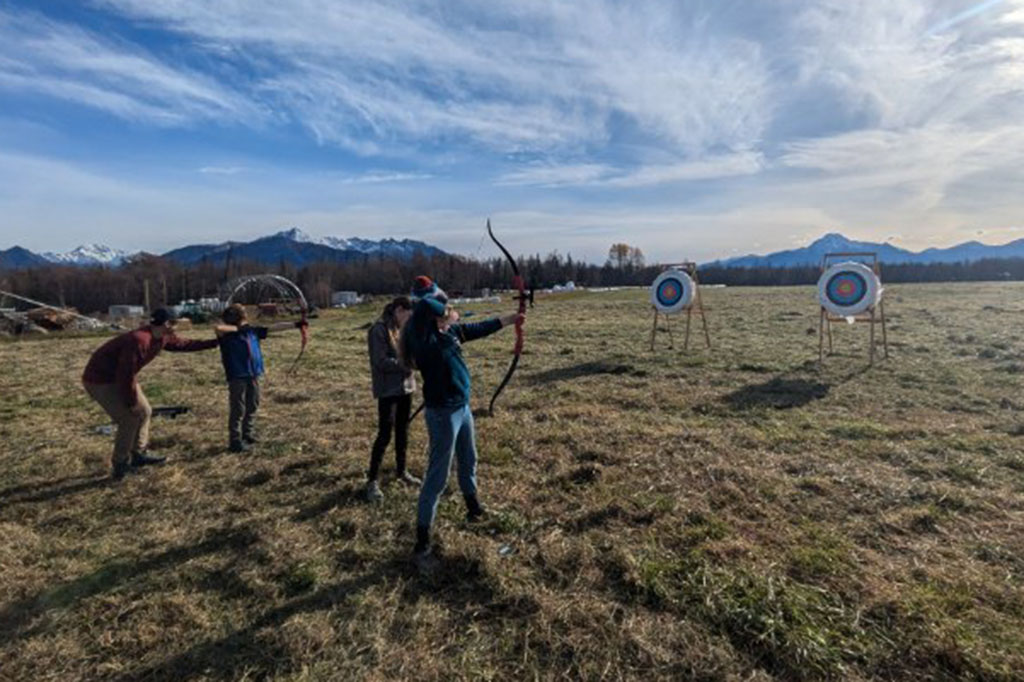
We are experiential. At APU’s Kellogg Campus, the farm, and forest become your classroom. Through a small, close-knit cohort model, students develop their teaching and leadership skills in the Kellogg Field School while exploring outdoor, environmental, adventure, and wilderness education. In just over two years, graduates earn a master’s degree, gain two full years of professional experience, and complete the program without tuition debt, emerging ready to lead in schools, nonprofits, parks, and environmental organizations across the country.
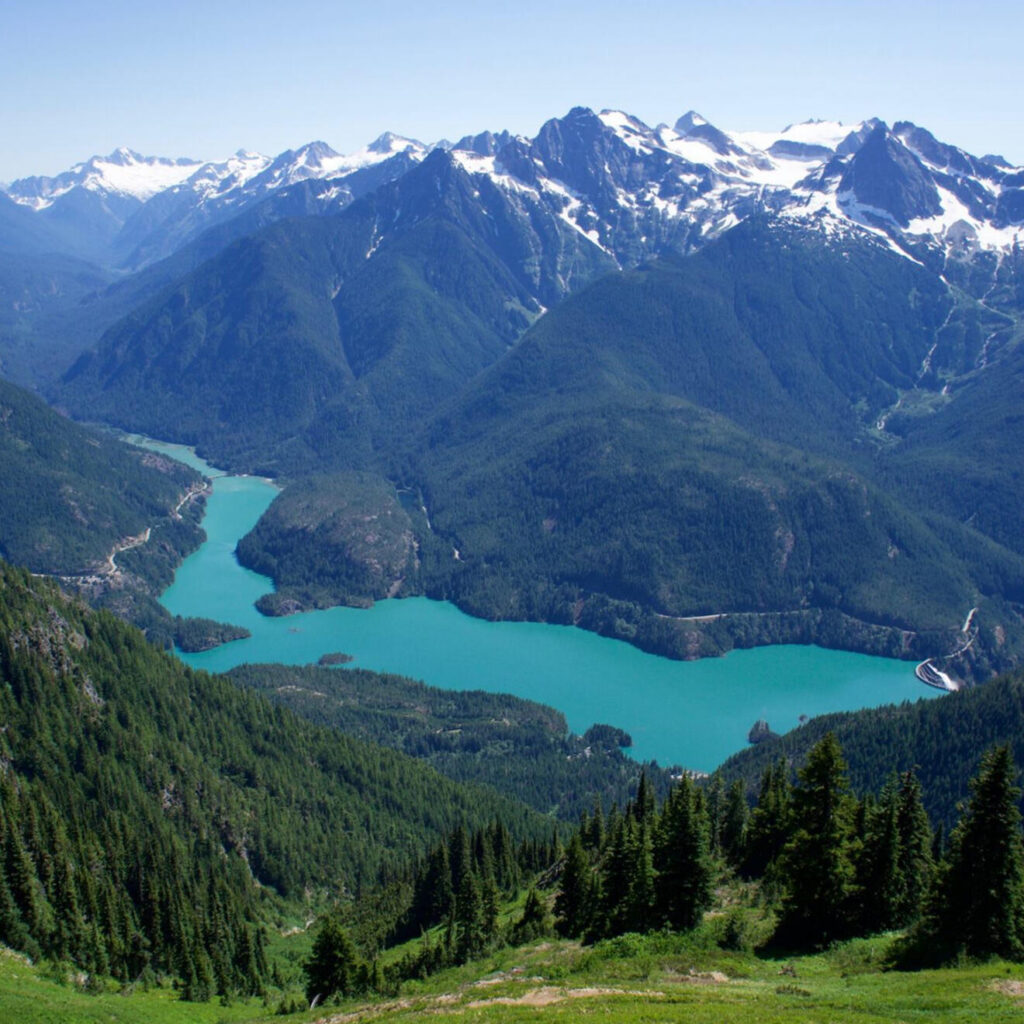
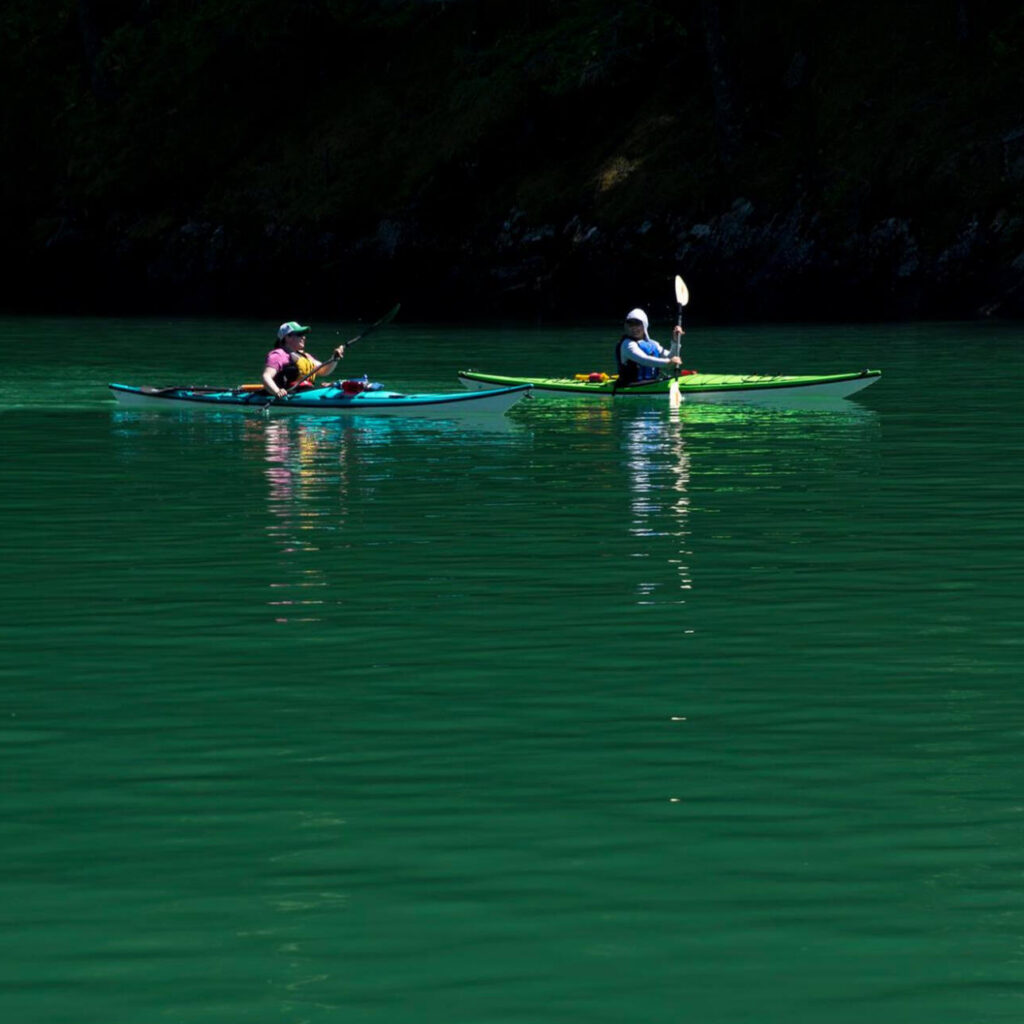
With the Cascadia Pathway, students spend their first year immersed in experiential learning and outdoor education in Alaska before transitioning into guaranteed, paid teaching positions at North Cascades Institute’s Environmental Learning Center on Diablo Lake in North Cascades National Park. Applicants who are accepted into MSOEE will need to fill out an additional application to the Cascadia Pathway in order to be accepted into this specific program.
Student Testimonies
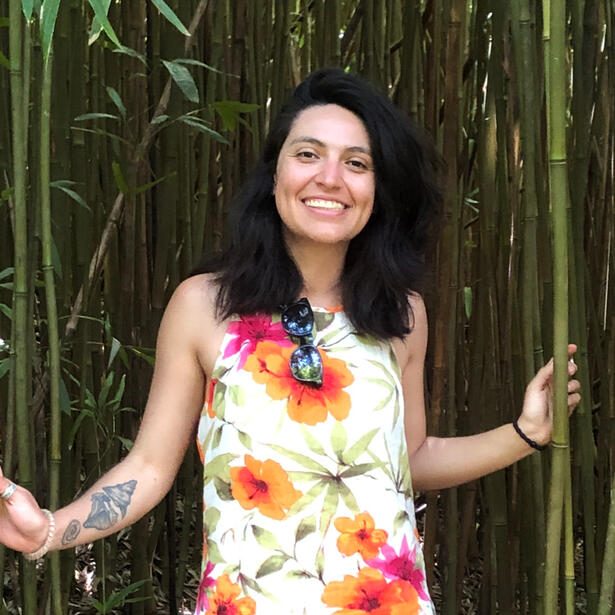
“I am a program specialist at Kellogg FIELD School and a seasonal instructor and program supervisor for NOLS. Originally from Mexico, I’ve built a career centered around education. During my studies at APU, I gained invaluable insights into curriculum development and group management, which I now apply in my various roles. After completing my graduate studies, I collaborated with Ecology Project International as a freelance curriculum developer, creating impactful educational resources to enhance students’ understanding of ecological principles.” – Kala Lucey, Program Specialist and Supervisor at NOLS
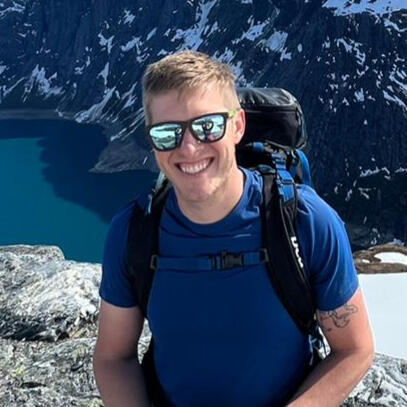
“The MSOEE program at APU taught me how to follow my passions with rigor. Anyone can chase their dreams, but in MSOEE I learned how to pursue my passions with authenticity, an open mind, and the essential hard skills needed for success. I gained these lessons not only from professors, readings, and experiences, but most importantly from classmates and peers. The program embraces a diversity of individuals from all walks and stages of life, united by the goal of making the world a better place through education and understanding, which was the true joy and enlightenment during my studies. This peer model is one I still emulate today in my teaching, research, and professional work as I continue in the MSOEE tradition of striving to make a positive impact through education and understanding.” – Patrick Kelly, PhD Student and Instructor at Utah State University
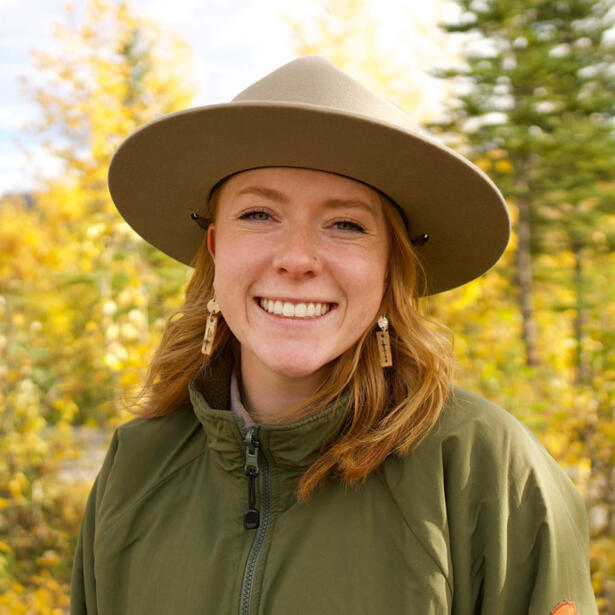
“MSOEE has given me many tools to succeed in my current and future career. First-hand curriculum development through field school and my thesis allowed the connections and experience to start my own environmental curriculum consulting business. The flexibility and individuality of the program gave me space to explore interests in Climate Change education and communication. This experience led me to be selected as the only NPS Climate Change Program “Speaking of Climate Change” Trainer in the Alaska Region, traveling and training park Interpreters and leaders on effective Climate Change Communications. MSOEE is rich in depth of understanding in outdoor and environmental education, that continues to prove long-term advancements in my career.” – Emily Miller, Lead Park Guide at Denali National Park and Reserve
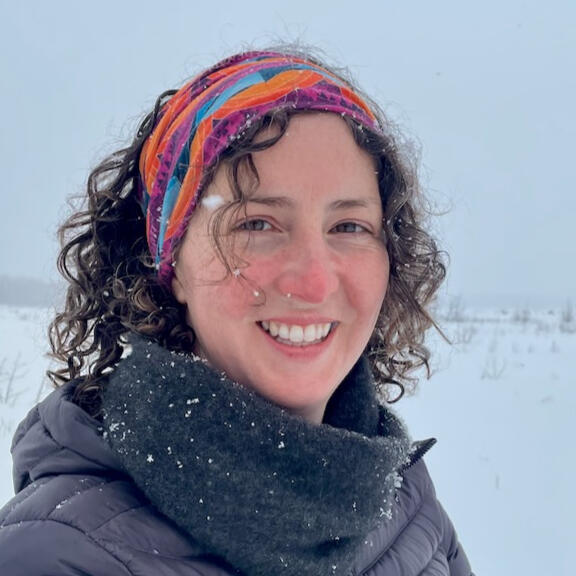
“The opportunity to teach for FIELD School was one of the aspects of the program I most looked forward to participating in. Being an instructor for FIELD School offered me the chance to explore a variety of teaching methods and styles in a supportive, trusting, and encouraging environment all while helping young people learn about exciting topics in fun, integrative, and experiential ways.” – Alex Wilson, Youth Agriculture Education Coordinator
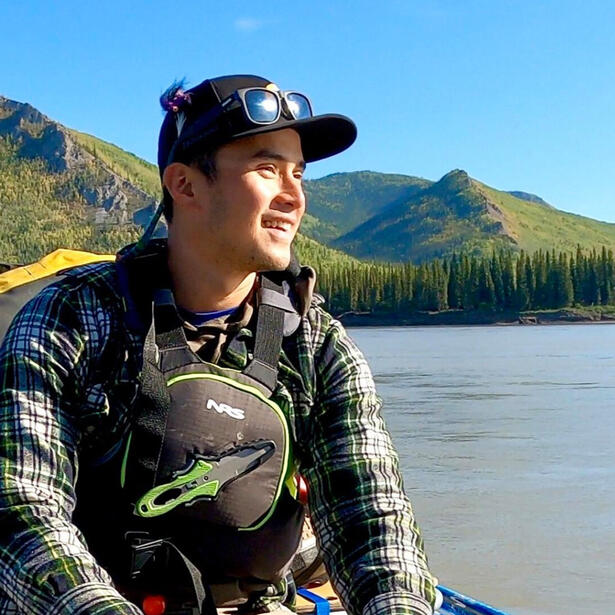
“I am currently working as the Director of Outdoor Programs at Alaska Pacific University. I graduated from the MSOEE program, and since then, I’ve worked as the Outdoor Educator at the Chickaloon Tribe’s Ya Ne Dah Ah School and served as a Coordinator of Traditional Games and coach for Tlingit & Haida in Juneau. I am thankful for all of the APU faculty and staff who encouraged me to be innovative and step out of my comfort zone while going through the MSOEE program and working on a meaningful thesis project.” – Duc Ngo, Director of Outdoor Programs at Alaska Pacific University


