Overview
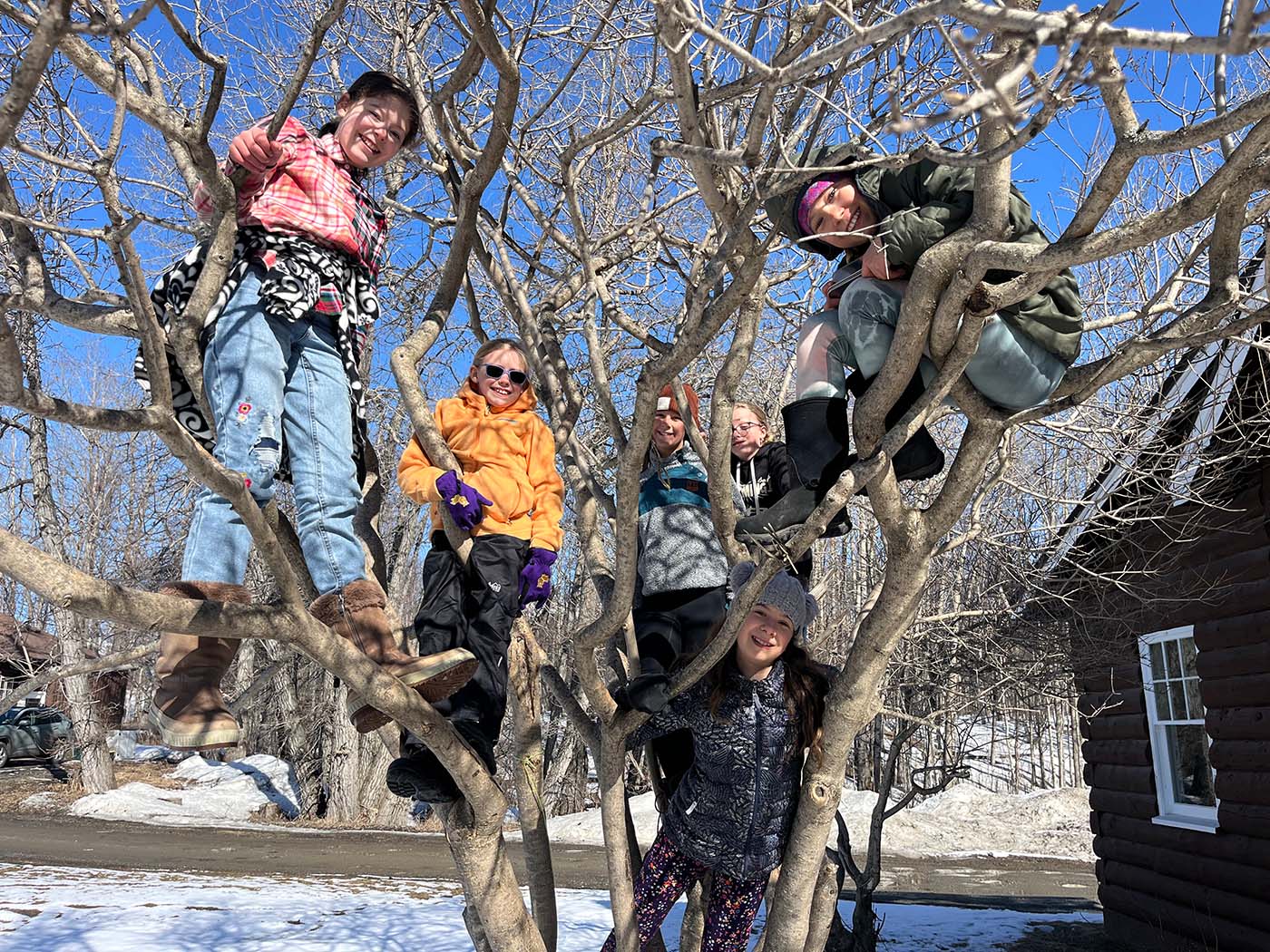
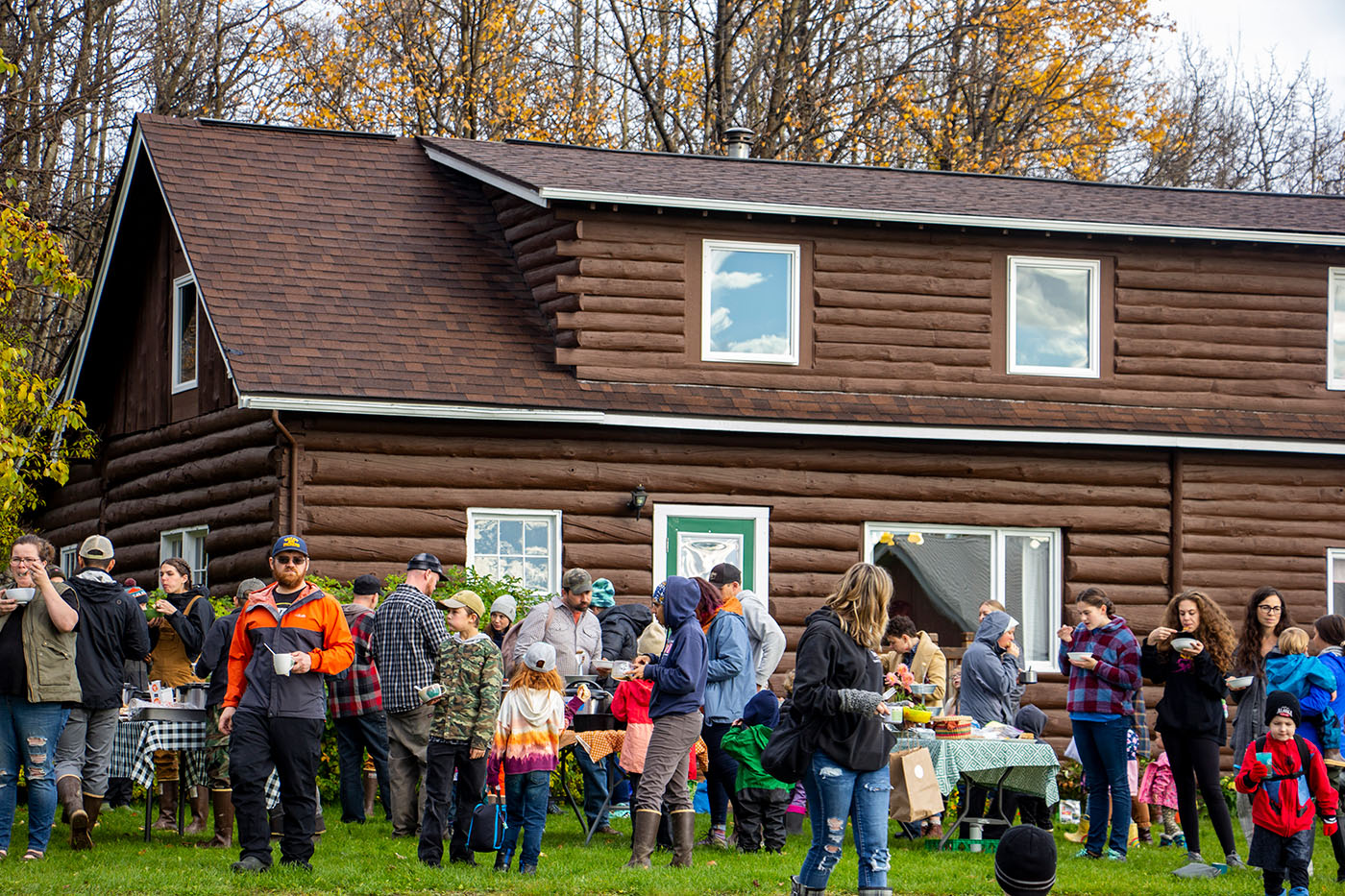
The Kellogg Campus in Palmer, Alaska, is committed to fostering sustainable agriculture, transformative education, and community engagement. Set on 800 acres, the campus provides a dynamic space for students, staff, and community members to collaborate, learn, and engage. With a focus on environmental stewardship, the campus supports a holistic approach to education, blending academic rigor with hands-on learning experiences that emphasize real-world applications, social responsibility, and a deep connection to the land.
Kellogg Campus aims to inspire a new generation of leaders equipped to address complex challenges through programs in environmental education, sustainable agriculture, and community-based initiatives. These programs foster critical thinking, creative problem-solving, and a commitment to positive change. Students and staff engage in a wide range of learning opportunities from cultivating small-scale farms to developing and implementing place-based curricula to hosting knowledge exchanges. These experiences are grounded in the belief that education should connect people to their environment and empower them to make meaningful contributions to the world. By integrating these values into campus life, Kellogg Campus models how education can shape the future of both individuals and community.






Purpose & Mission
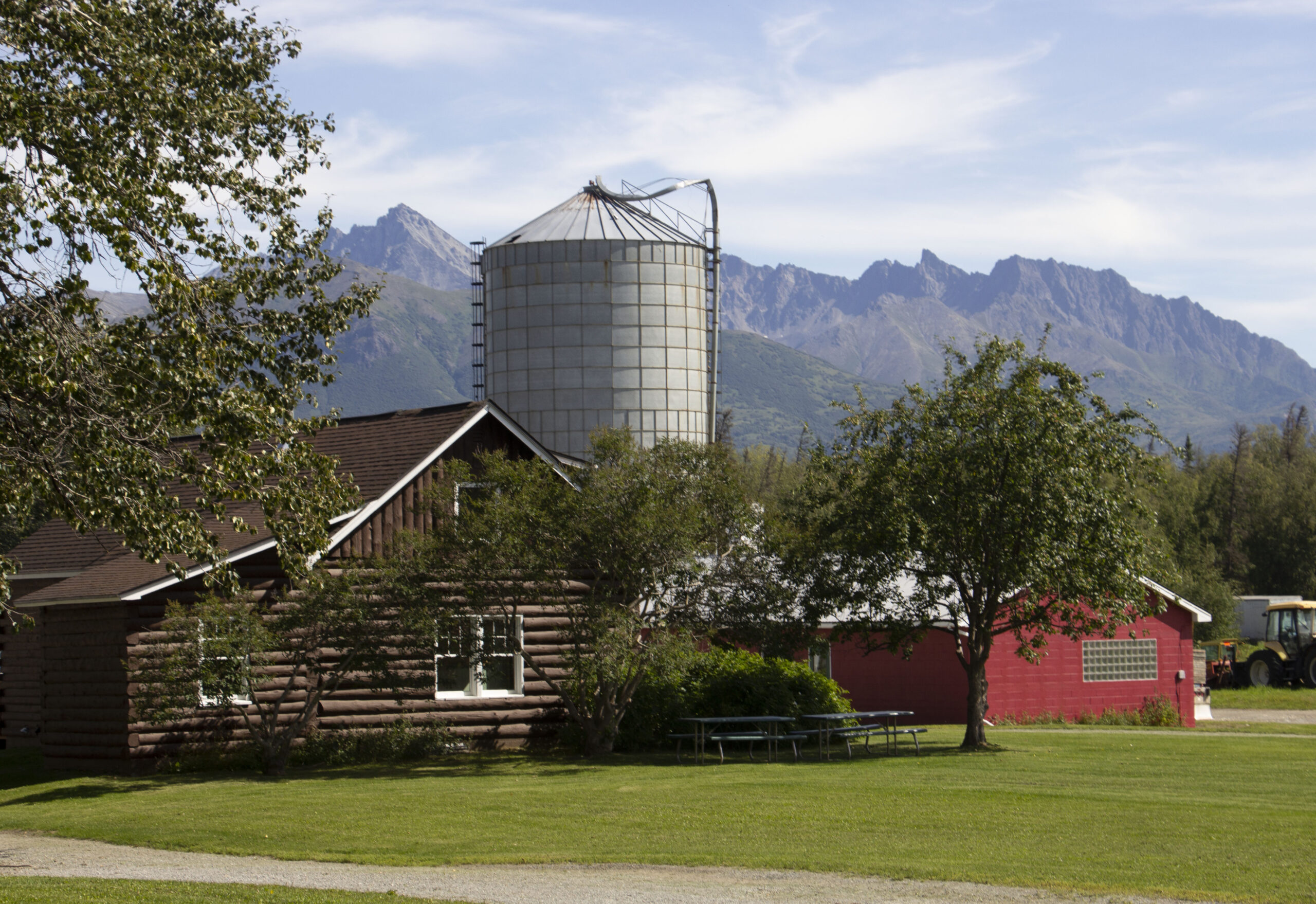
The Kellogg Campus in Palmer, Alaska, is dedicated to honoring the legacy of Louise Kellogg—a pioneering spirit whose generosity, love for hard work, and deep connection to the land shaped the campus’s mission. Set on 800 acres, the campus serves as a center for sustainable agriculture, transformative education, and community engagement. Just as Louise transformed Spring Creek Farm into a thriving success through dedication and vision, the Kellogg Campus continues this legacy by fostering a collaborative, hands-on approach to learning. Students, staff, and local residents come together to engage in real-world applications of environmental stewardship, social responsibility, and resilient food systems.
Through programs in environmental education, sustainable agriculture, and community-based initiatives, the Kellogg Campus inspires a new generation of leaders committed to tackling global challenges. These programs promote critical thinking, creative problem-solving, and a commitment to innovation in renewable design. Students and staff alike immerse themselves in a wide range of learning opportunities, from cultivating small-scale farms to developing place-based curricula and hosting knowledge exchanges. Rooted in the belief that education should empower individuals to make meaningful contributions to both the environment and society, the campus models how an educational community—built on Louise Kellogg’s values of collaboration, hard work, and benevolence—can shape a sustainable and socially responsible future.
Educational Programs
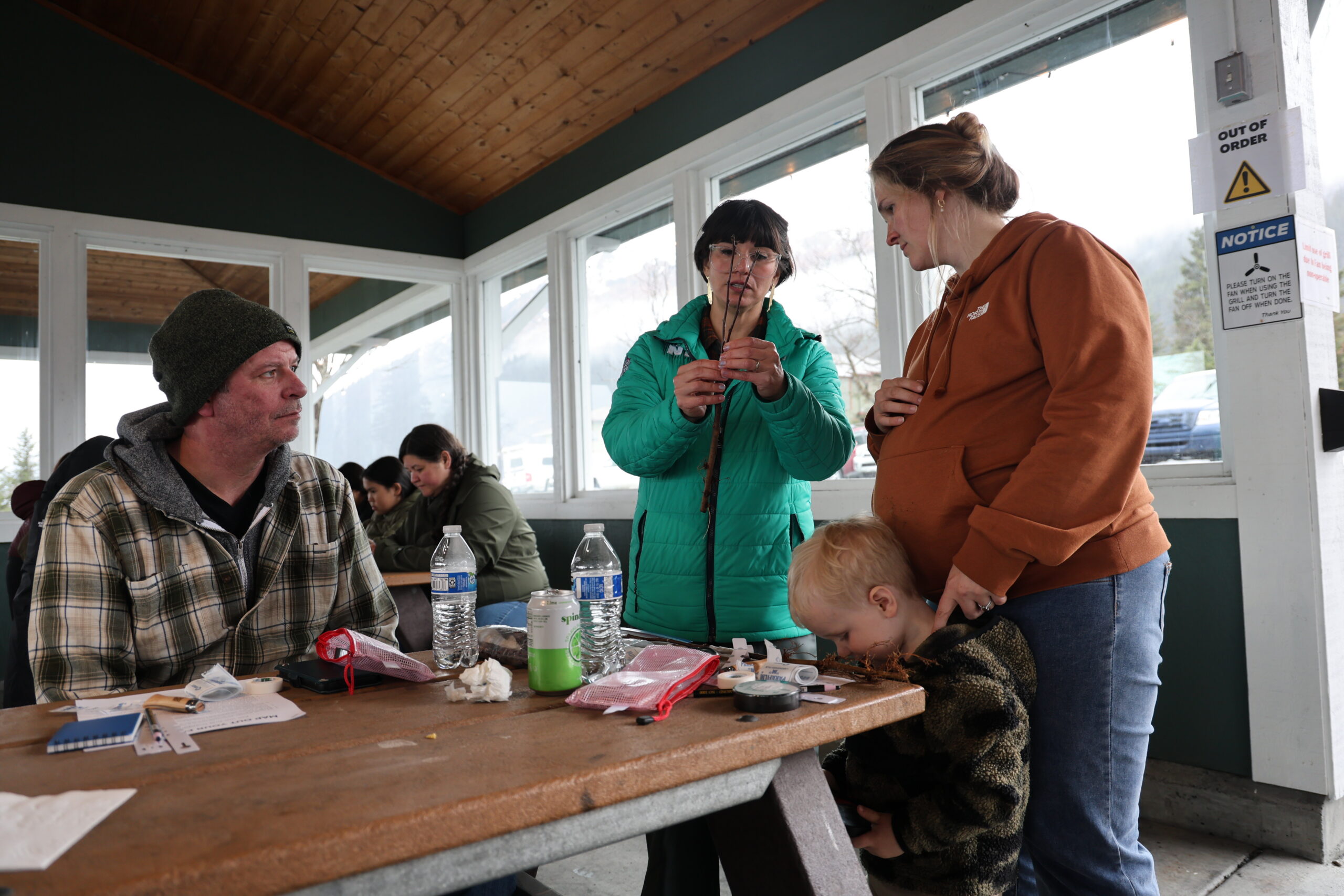
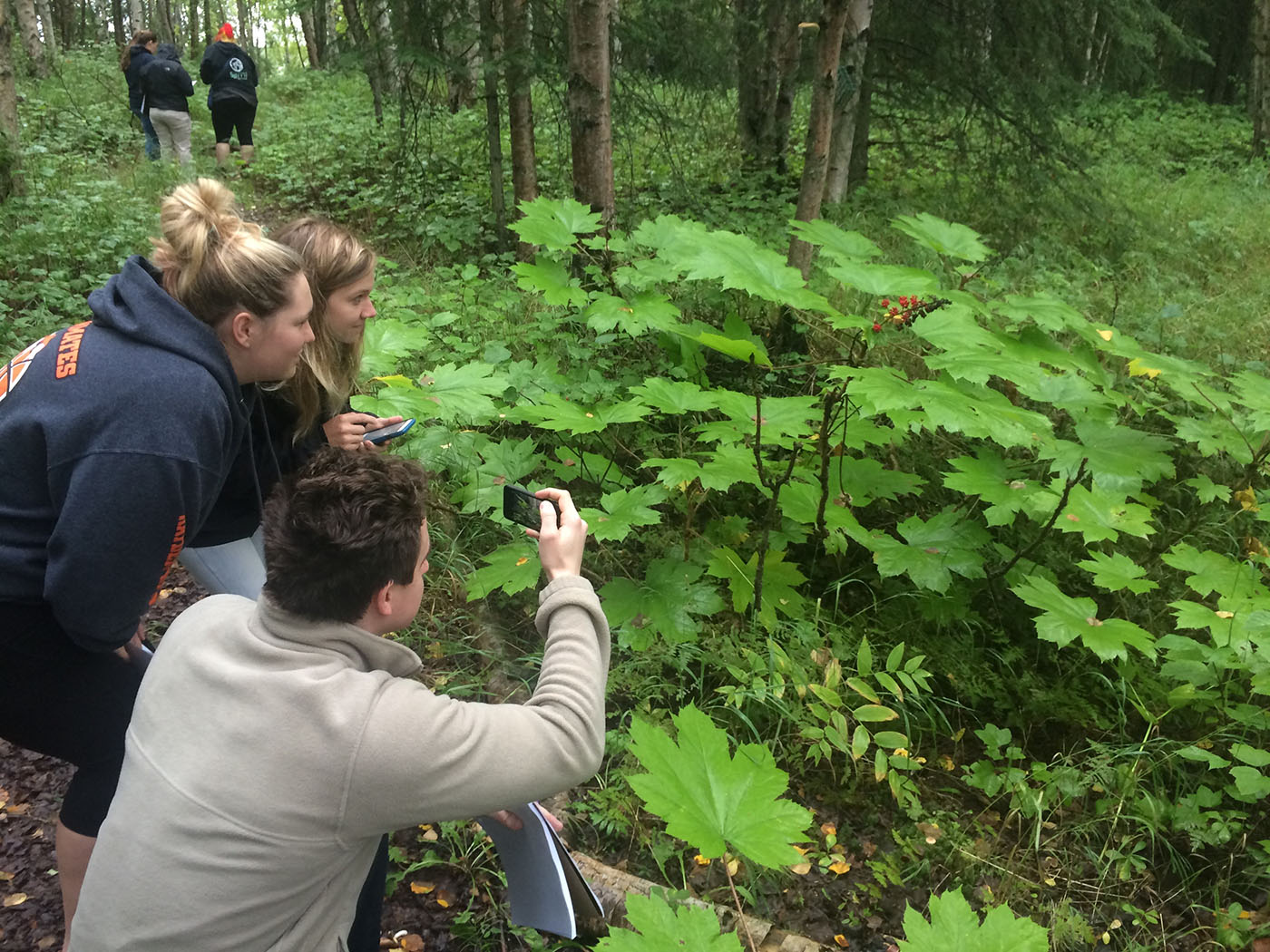
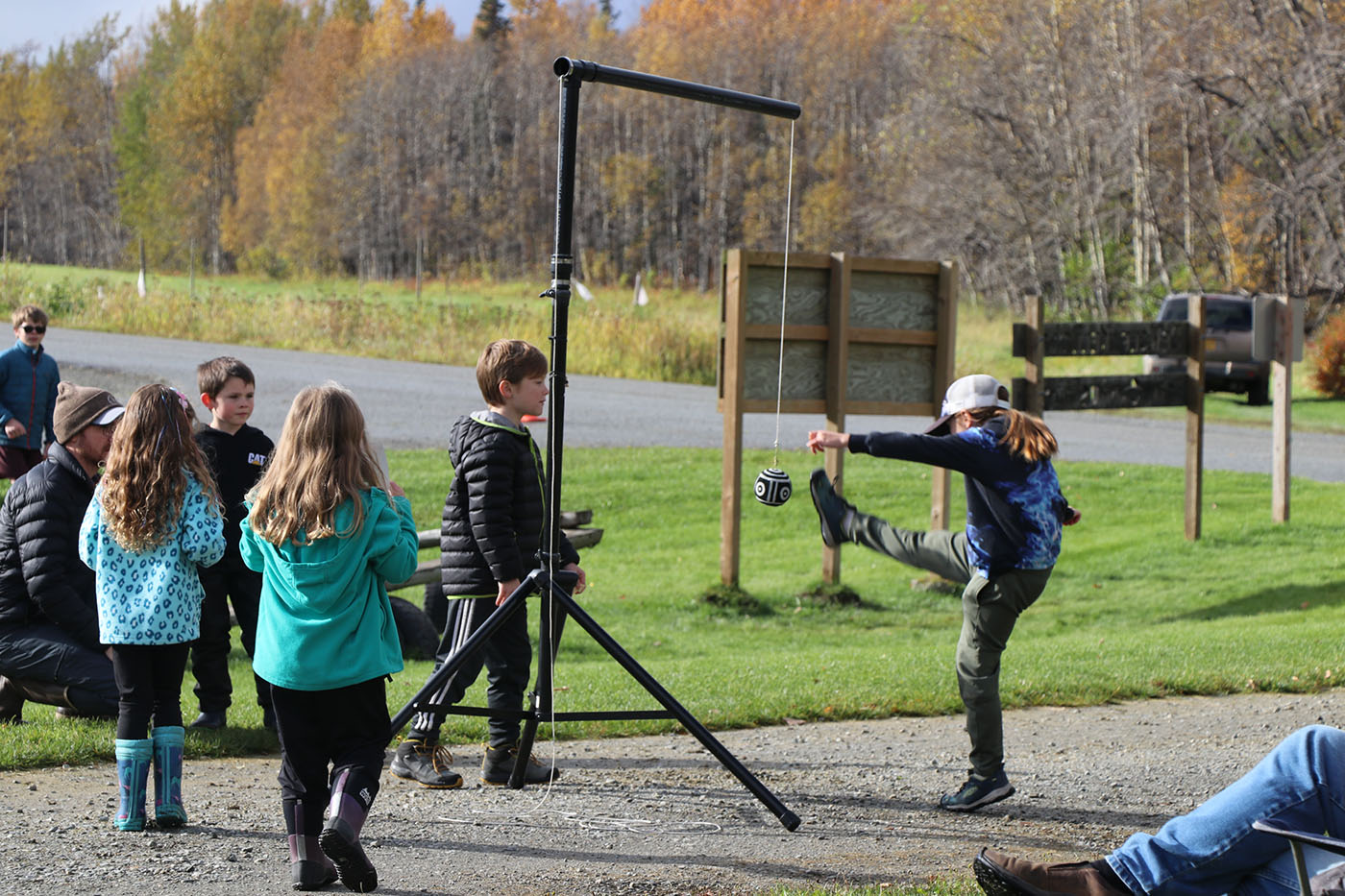
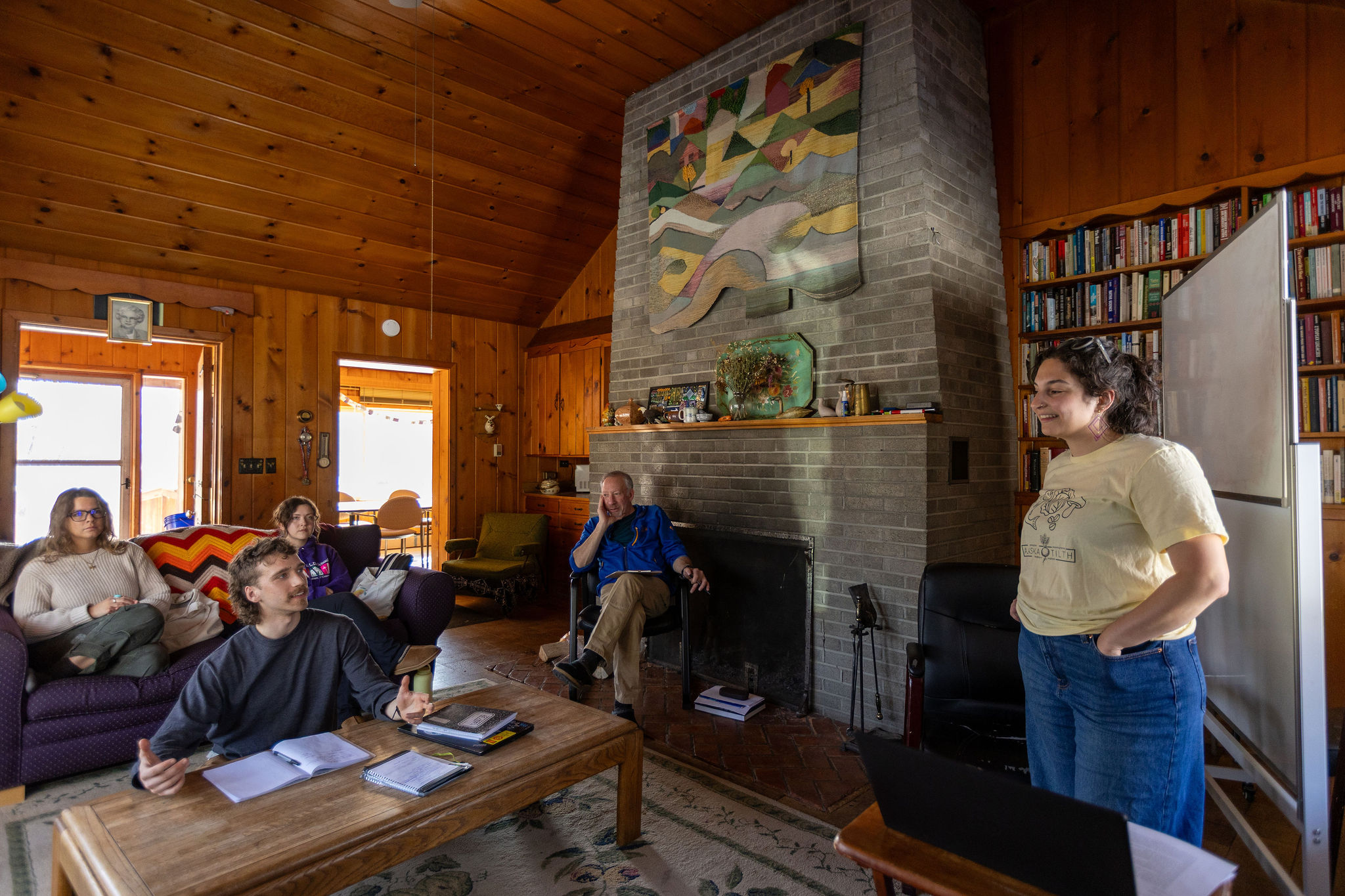
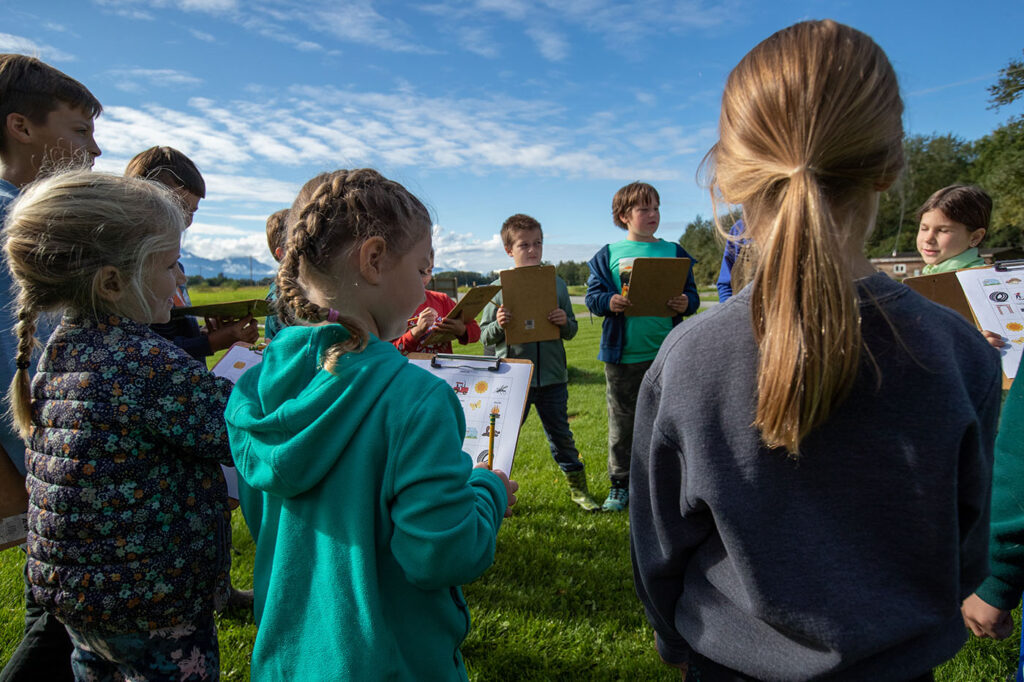
At the Kellogg Campus in Palmer, Alaska, education is hands-on and place-based. Programs include a Master of Science in Outdoor and Environmental Education, the Kellogg FIELD School for outdoor teaching, and Camp Kellogg for adventure and leadership. The campus also offers free agriculture education programs for the community and uses Spring Creek Farm as a living classroom for sustainable agriculture. These programs equip students to lead in environmental and community-based education.
Spring Creek Farm
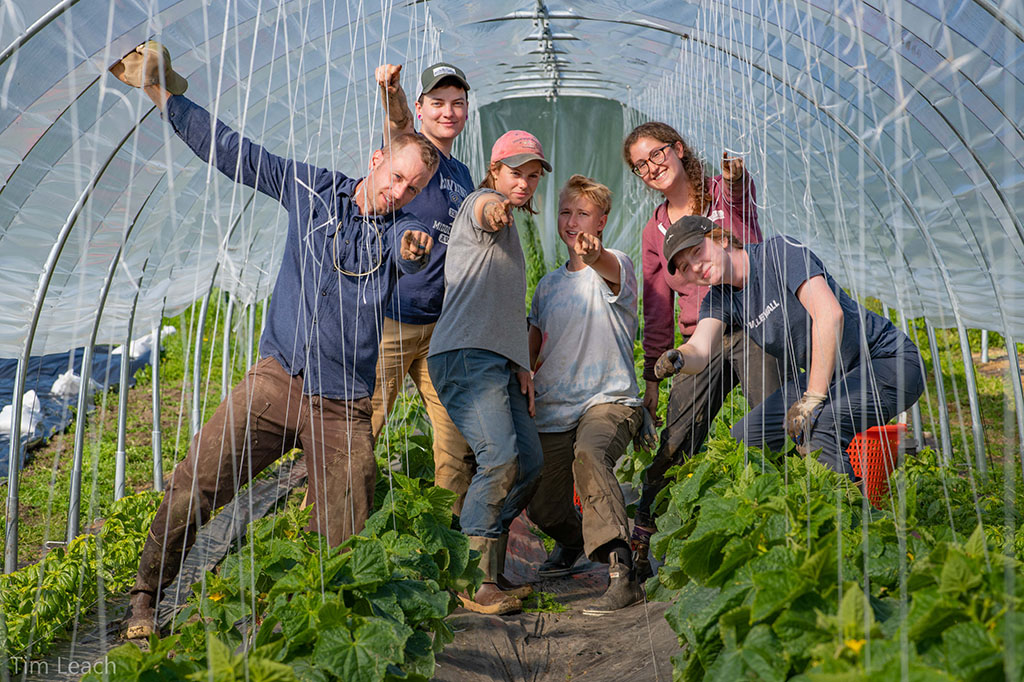
At Spring Creek Farm, interns gain hands-on experience in small-scale, sustainable agriculture on a 2-acre production farm. They learn by doing, cultivating a diverse mix of subarctic-adapted crops in rich glacial silt soil. The farm’s harvest supports the APU community through dining services, a small CSA, and an on-site farmers’ market. We also collaborate with local tribes, farms, and educators, fostering partnerships that promote sustainable food systems and cultural exchange.