Spring Creek Farm

Research Farm


Hands-on, experiential education in ecological horticulture and food system resilience

At Spring Creek Farm, interns gain direct experience in small-scale organic vegetable production. Interns focus on sustainable agriculture practices, including crop rotation, soil health, and ecological farming methods. The farm’s harvest supports the APU community through dining services, a small CSA, and our Alaska Tilth program. Additionally, interns collaborate with local farms, tribes, and educators, fostering partnerships that promote sustainable food systems and environmental stewardship. This experiential learning prepares interns for careers in agriculture, food systems, and community-based education.

A portion of the food grown is also donated to anti-hunger organizations in the Matanuska-Susitna Borough through Alaska Tilth, supporting efforts to alleviate food insecurity. This initiative connects interns’ training with principles of social justice, as they contribute to building a secure, equitable local food system.

Community Supported Agriculture (CSA)


Providing local, fresh food for our communities

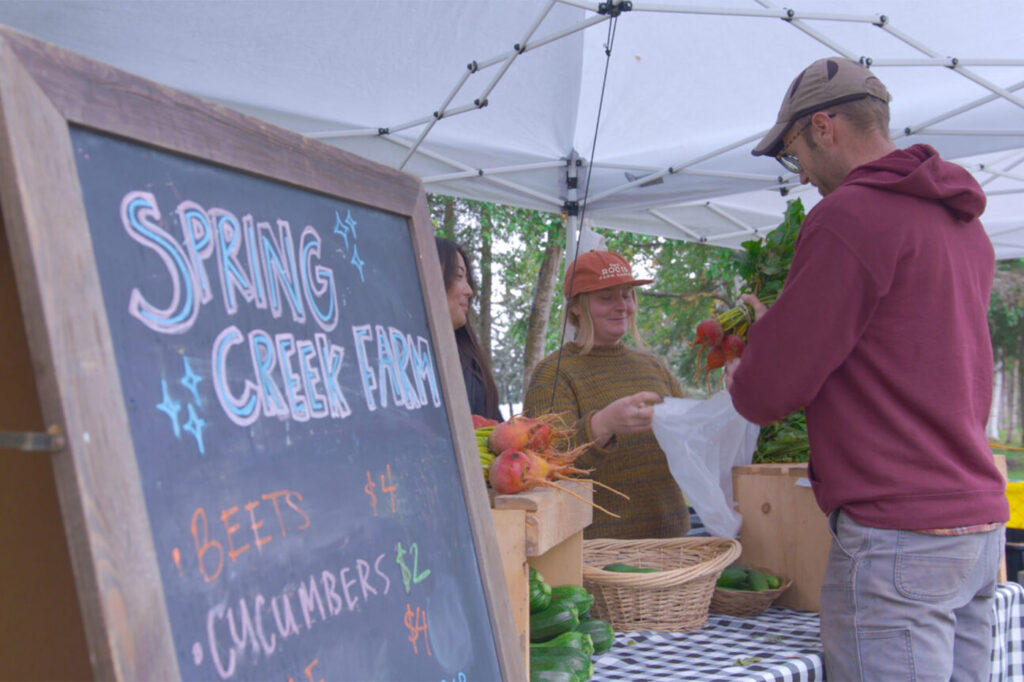
The Spring Creek Farm CSA provides members with weekly shares of fresh, seasonal, and sustainably grown produce. The Spring Creek farm provides a convenient, community-centered space to support local agriculture and to get involved in local agriculture education. The Farm Stand operates at two locations: the main campus of Alaska Pacific University and from the farm itself in Palmer.

CSA Produce Distribution

CSA members pick up their share of fresh, locally grown produce each week for 18 weeks at one of two locations: at APU’s main Anchorage location or at Spring Creek Farm in Palmer. If a member cannot pick up their share, they can have a friend or neighbor collect it or donate it to those in need through Alaska Tilth with one week’s notice.

Our Produce:

  • Grown using ecologically responsible, organic farming methods
  • Fertility sourced from locally produced food and processing waste
  • No synthetic fertilizers, pesticides, or herbicides
  • A diverse selection of seasonal crops
  • Produced by beginning farmers in the Spring Creek Farm training program
  • Includes recipes and preservation tips to help you make the most of your share
  • Meet the farmers and learn about their journey
  • Your membership supports the next generation of farmers, providing hands-on training in food production, business development, and social and economic justice.

Alaska Resilience Farms


Partnering with Indigenous and rural communities to increase food security and sovereignty throughout the state.

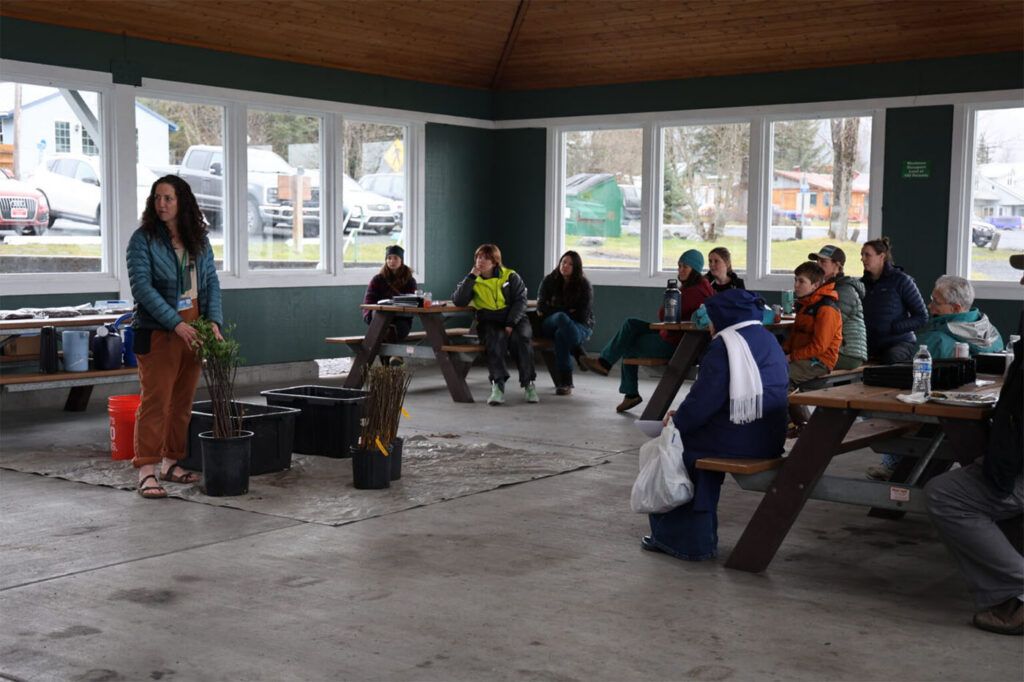
This network began in 2021 in response to Alaska’s changing climate and growing concerns around food insecurity in underserved rural and urban communities. Since then, the ARF network has grown into a strong collaborative that connects Tribes and rural communities across the state, helping to share agricultural knowledge, resources, and local expertise more widely. Through the network, APU facilitates knowledge-exchange sessions on a wide range of agriculture topics while also helping communities establish or revitalize community gardens. By returning to each community each year, we are able to support projects in ways that reflect the unique goals and needs of the people who live there.

Now entering its fifth year, ARF continues to expand its reach by welcoming new partners and communities into the network, including Kake, the Qutekcak Native Tribe, and the Kodiak Archipelago Leadership Institute.
Alaska Tilth


Growing food, supporting farmers, and feeding our neighbors

Alaska Tilth is a community-driven initiative focused on addressing food insecurity in the Matanuska-Susitna (Mat-Su) Borough. The program purchases market “seconds” (imperfect or surplus produce) from local farms and food producers, redistributing it to anti-hunger organizations in the region. Alaska Tilth also accepts donations from farms, including Spring Creek Farm, to ensure fresh, nutritious food reaches those in need. By connecting local agriculture with community organizations, Alaska Tilth plays a vital role in supporting food security and fighting hunger in the Mat-Su.

Tilth refers to the quality of healthy, well-managed soil, essential for growing abundant and nutritious food. In the Pacific Northwest, the term has become synonymous with farmer-consumer collaborations that focus on food justice, sustainability, and community resilience.

In the context of Alaska Tilth, this definition reflects a commitment to fostering strong, interconnected local food systems that prioritize access to healthy food for all. Through its work in the Matanuska-Susitna (Mat-Su) Borough, Alaska Tilth supports food justice by redistributing surplus and imperfect produce from local farms to anti-hunger organizations, ensuring that fresh, nutritious food is available to underserved communities. The program embodies the principles of resilience, sustainability, and collaboration, helping to strengthen food security while empowering local farmers and communities to build a more just and equitable food system.

Alaska Tilth is dedicated to building regional food resilience and serving the most food-insecure members of the Matanuska-Susitna (Mat-Su) Borough. The program collaborates with local farms, food producers, and nonprofits to redistribute surplus produce to those in need. Alaska Tilth aims to annually redistribute over 6,000 pounds of fresh, locally grown produce to food-insecure individuals and families in the Matanuska-Susitna (Mat-Su) Borough. The program ensures that local farmers have a dependable market for their surplus or “seconds,” helping to reduce food waste while supporting regional food security. In addition to providing fresh produce, Alaska Tilth also offers nutritional education to participants, empowering them to make healthy, affordable food choices.

Alaska Tilth partners with community organizations such as My House (a resource center for homeless youth), the Wasilla Women’s Shelter, the Wasilla Food Bank, and senior centers in Palmer and Wasilla to ensure that fresh, nutritious food reaches the most vulnerable populations.

In addition to its food distribution efforts, Alaska Tilth plays a key role in educating and training new farmers through hands-on programs, helping to revitalize local agriculture and reduce the state’s reliance on imported food. By bringing together stakeholders, local farms, and community partners, Alaska Tilth fosters a more resilient, self-sustaining food system for Alaska.

100% of all monetary donations directly support the growing and distribution of food and are tax-deductible.

Alaska Tilth depends on community support to continue its important work combating hunger and strengthening Alaska’s food system. Your financial contribution helps provide fresh, locally grown food to families in need and creates opportunities to train new growers in sustainable agriculture. Each year, we also host the Give a Crop t-shirt fundraiser, which raises additional funds to support our mission. By donating to Alaska Tilth, you’re investing in a healthier, more resilient Alaskan food system for all.