Roman Dial: An Alaskan Trailblazer, Professor, and Scientist
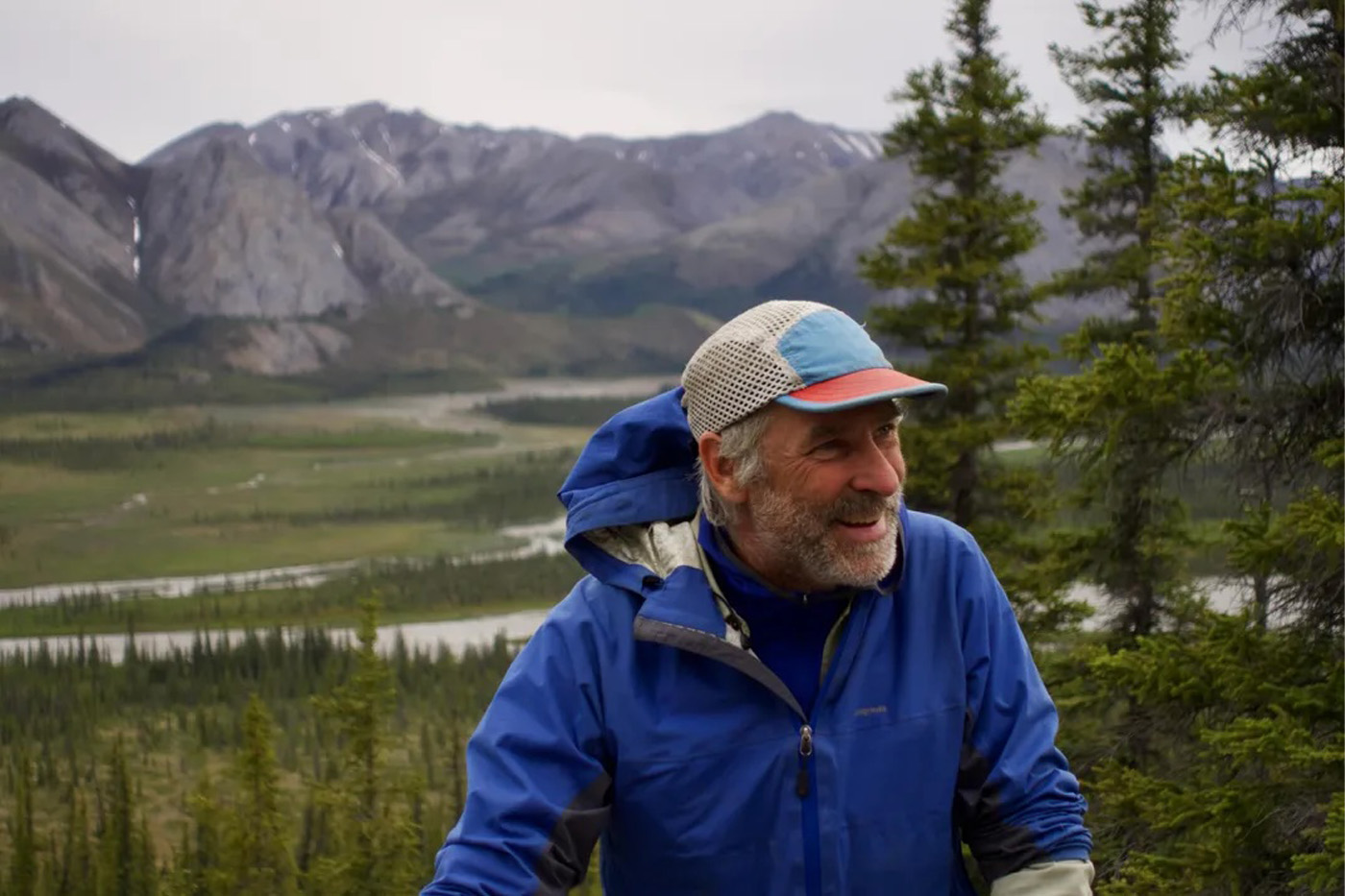
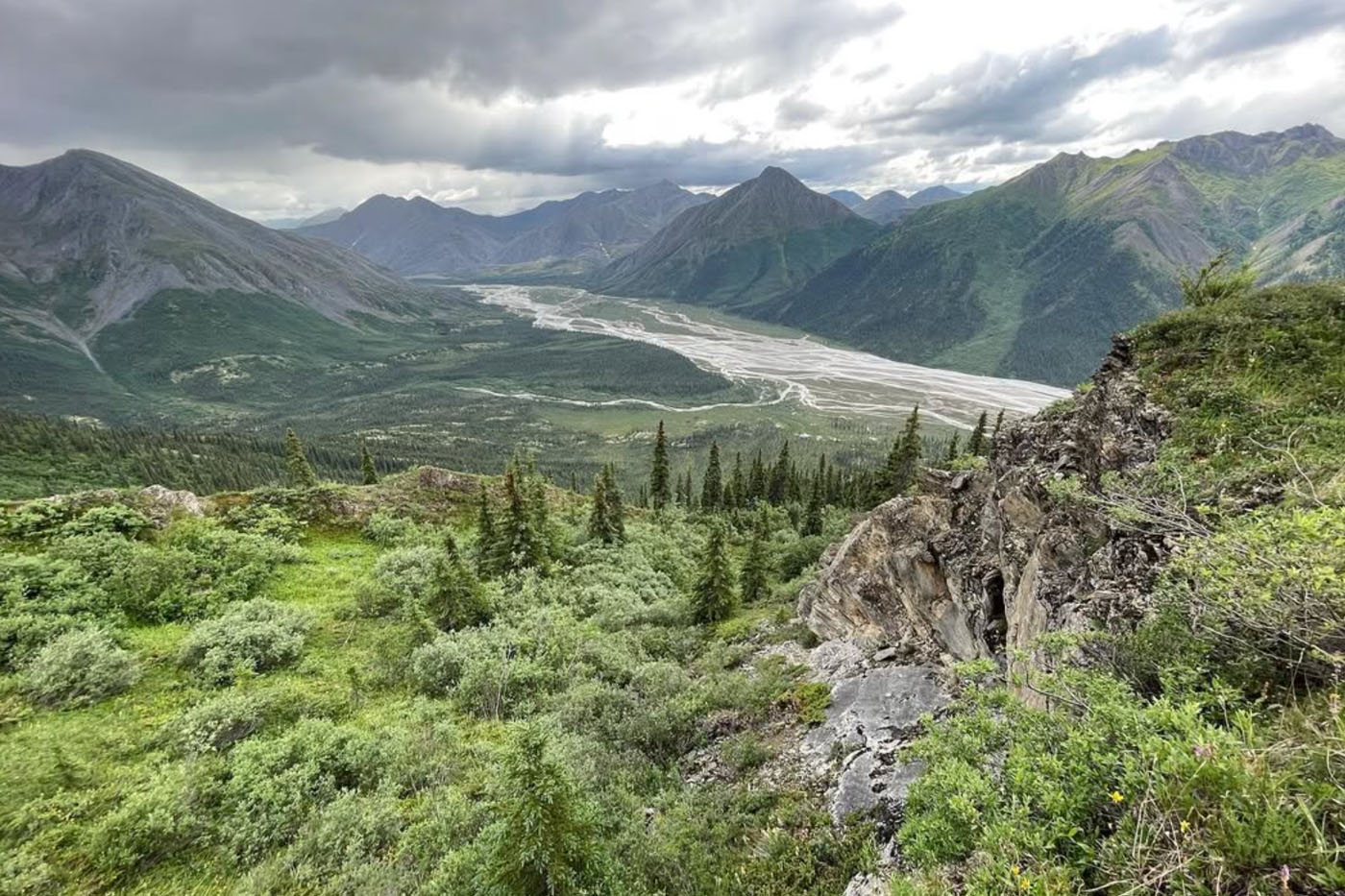
Jagged multi-colored peaks rise from misty clouds. Glaciers curve and bend out of sight. Valleys flow forth, dotted with endless lakes. These are just some of the many images featured in Roman Dial: Crossings, a First Friday exhibit at the Anchorage Museum on May 2. The exhibit will showcase 50 photographs from Dial’s travels by bike, packraft, and on foot through some of Alaska’s most remote regions.

The photographs reflect Dial’s experience crossing thousands of miles of Alaskan wilderness and center on four themes: snow, family, rivers, and land. For Dial, “The wild side feeds emotion and spirit; the analytic side feeds intellect and family.” These images also document some of the earliest multi-sport expeditions in Alaska, as Dial is a renowned mountaineer, packrafter, and explorer. Reflecting on his journeys, Dial says, “Alaska is a place of growth and of discovery, of healing, and of community.”

Dial’s lasting impact on APU
When not exploring the wilderness, Dial taught mathematics and biology at Alaska Pacific University (APU), retiring in 2024 after 32 years of impactful teaching, research, and campus-wide contributions.

One such contribution was his role on the faculty committee that introduced senior projects—now a hallmark of APU’s hands-on learning approach across all majors. The idea was for students to take something they’re passionate about and turn it into a capstone project, presented publicly in their final year.
Dial also pushed to make these presentations open to the public rather than limited to faculty committees. His reasoning? Students weren’t preparing thoroughly, and he thought a little public pressure might help. He was right. The presentation quality improved significantly, and senior projects are now a community-wide event that benefits both students and faculty.
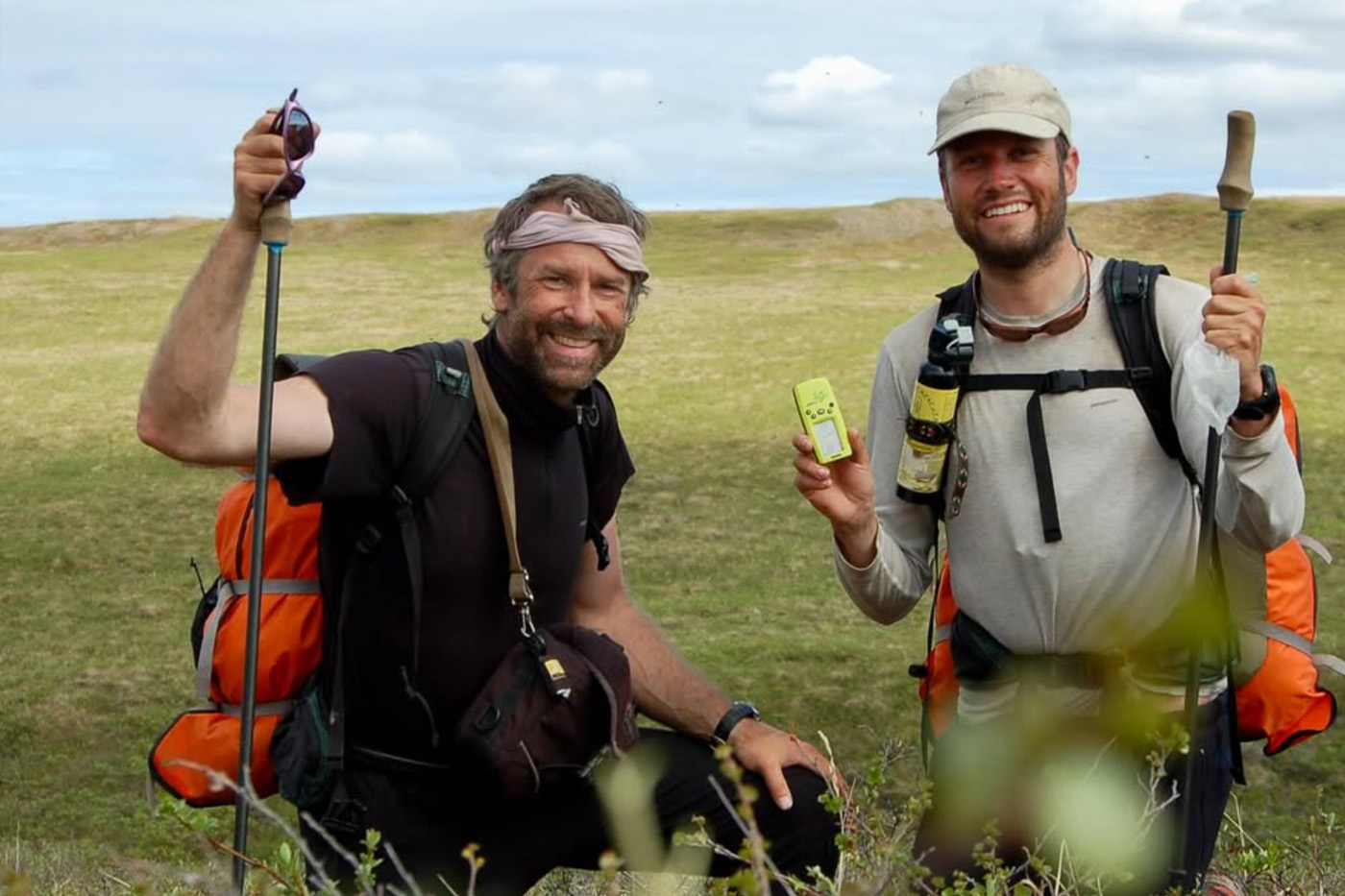
In addition to shaping APU’s academic programs, Dial founded the GIS lab, led the university’s first international block course in Borneo, and pioneered packrafting courses in the 1990s, long before the sport gained popularity.

Leading extensive fieldwork throughout Alaska
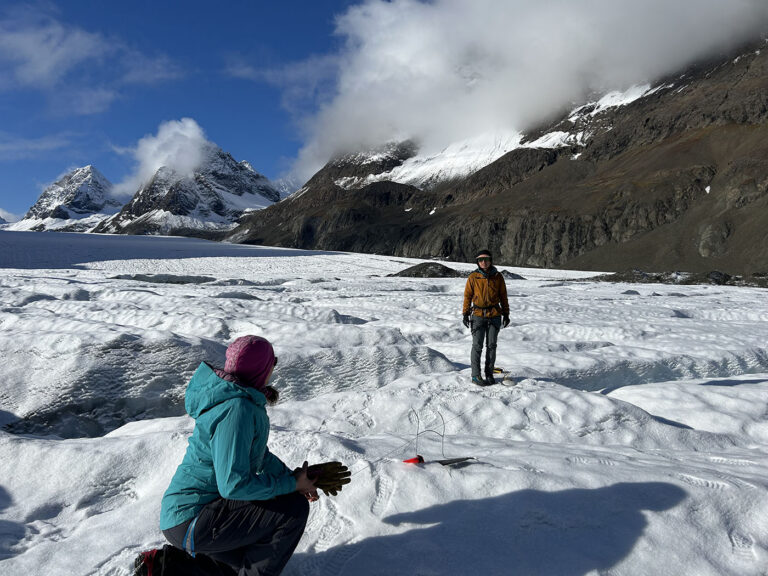
Over the years, Dial mentored more than 50 graduate students and hundreds of undergraduates while leading extensive fieldwork across Alaska. One recent notable project focused on treeline dynamics in northern Alaska. As part of this research, his undergraduate students spent entire summers in the backcountry, traveling by foot and packraft from Canada to Kotzebue to collect vital ecological data. This immersive, hands-on experience not only shaped their scientific training but also contributed to an open-access publication in Nature, one of the world’s most prestigious and widely cited scientific journals.
Asked what he appreciated most about teaching at APU, Dial says, “The students. I like that it’s a small school with a variety of students from all different backgrounds.” This diversity of experiences, he notes, enriches classroom dialogue and deepens learning.
Dial’s introduction to Alaska over five decades ago
Dial has been exploring Alaska’s wilderness since 1970, when he was nine years old. That summer, he came to live with his uncles near Healy, where he spent his time roaming the mountainsides with a wolfdog named Moose. This freedom and connection with the land shaped the trajectory of his life.

Dial graduated high school early to attend the University of Alaska Fairbanks (UAF), where he earned a B.S. in mathematics and biology and an M.S. in biology. He lived in Fairbanks for 11 years, met his wife, and raised two children. Both children participated in APU’s Early Honors program, and his son went on to complete a master’s degree at APU. Dial has also written a memoir about his son, Cody Dial, who shared a deep passion for science and adventure, and who disappeared in 2014 while exploring a rainforest in Costa Rica.
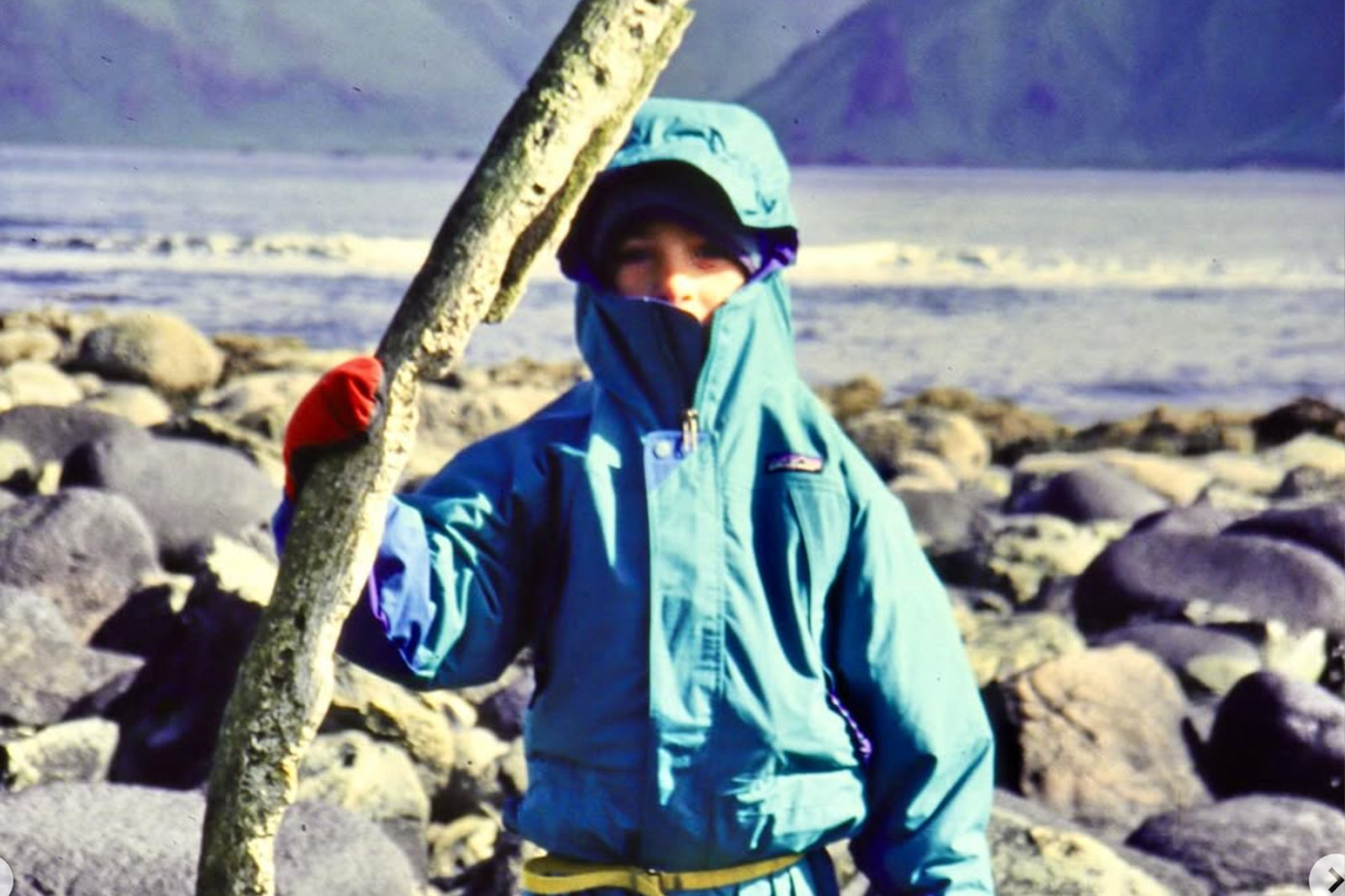
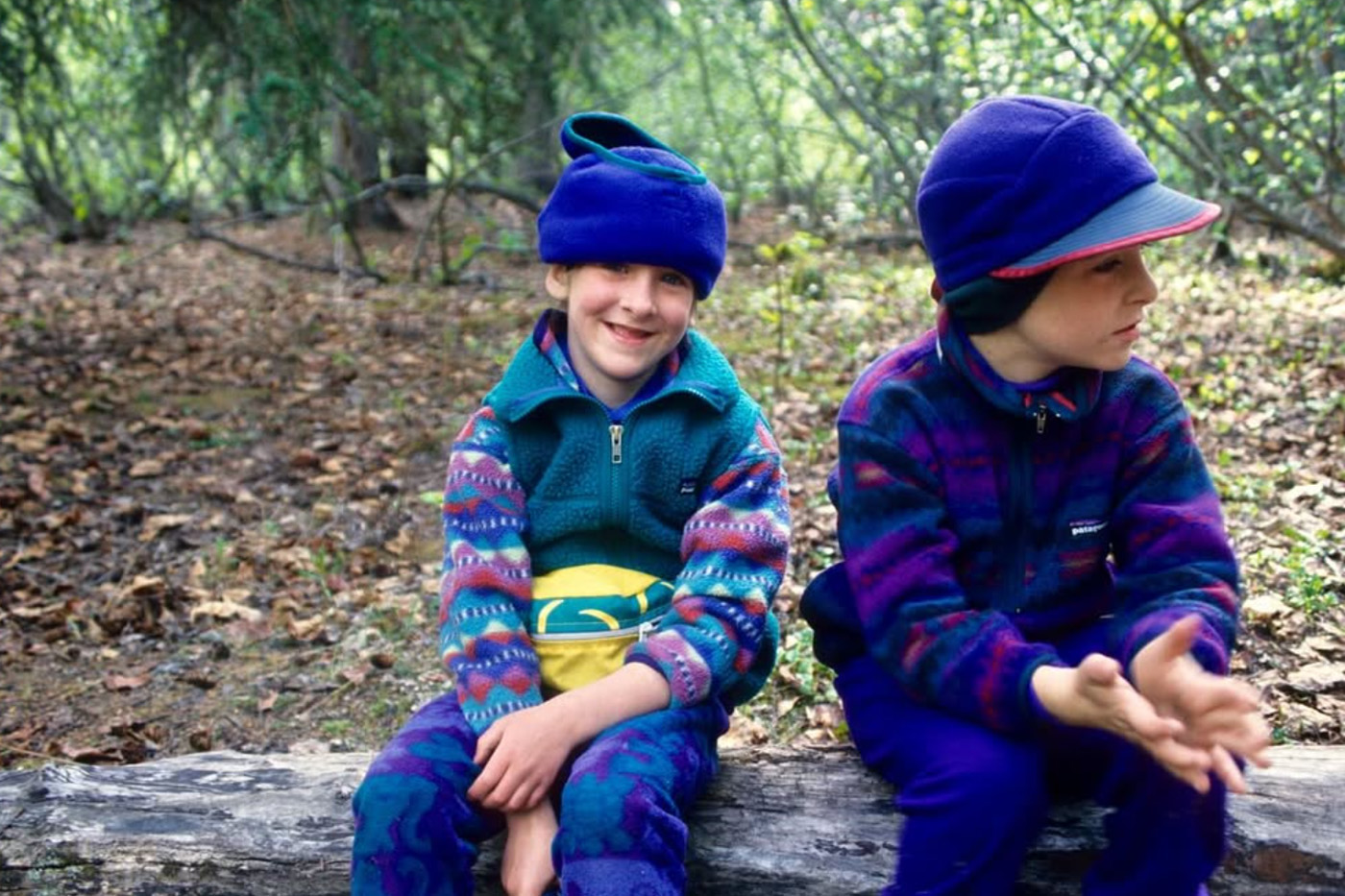
After earning multiple degrees from UAF, Dial went on to complete a Ph.D. in biological sciences at Stanford, where his research took him into the rainforest canopies of the Caribbean. He then joined APU in 1992 as an assistant professor of biology.
Reflecting on his years at APU, Dial says, “Every student has something they’re really good at. The best thing we can do as instructors is polish that bit up so they have something to take with them when they leave.”
His advice to students? Don’t skip class! “Usually, we get out of something what we put into it, so try to be active in your classes and put in the necessary work.”