Marine & Environmental Sciences

A New Wave of Environmental Leaders


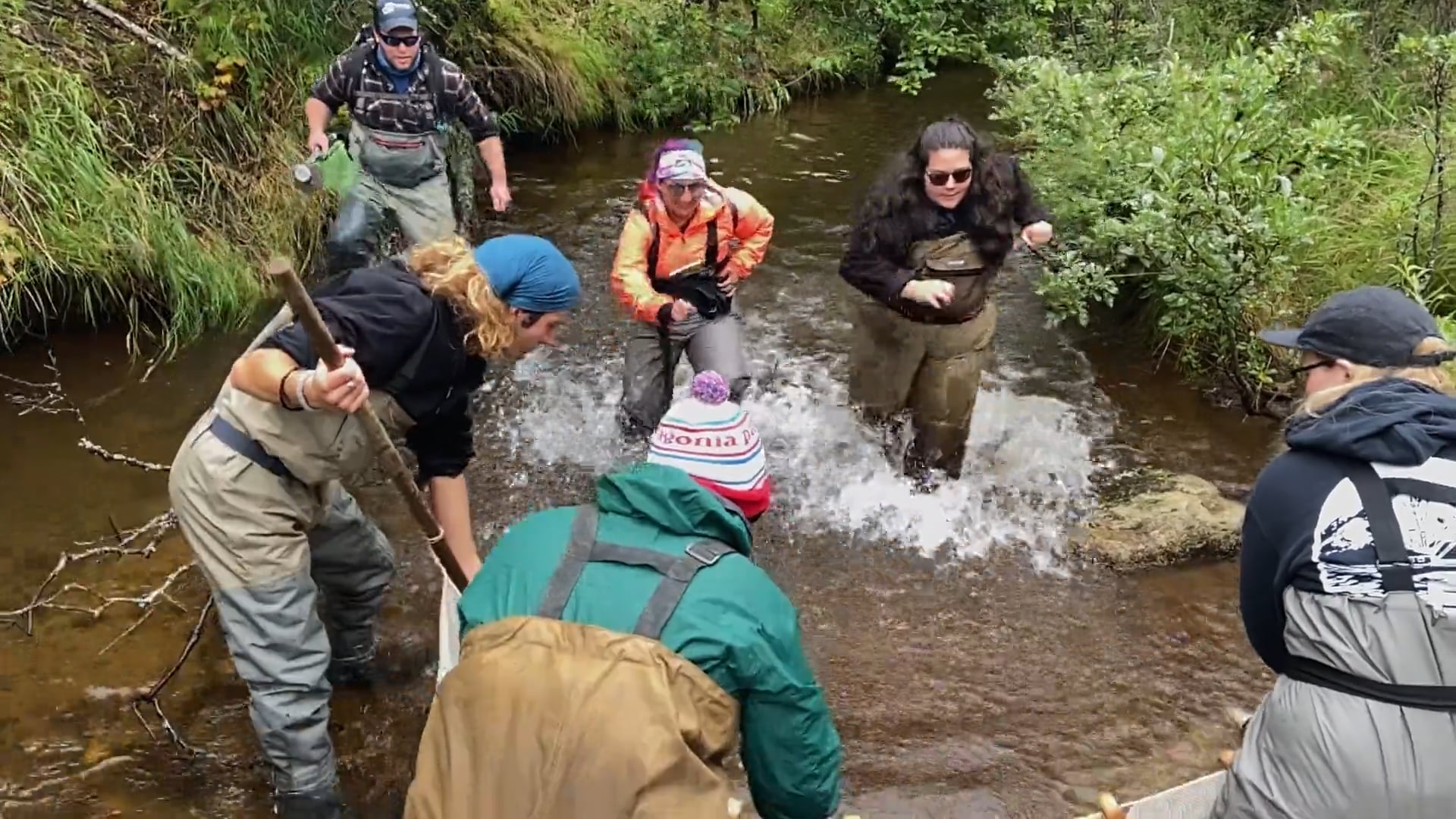
The BS in Marine & Environmental Sciences (MES) provides students with knowledge, perspectives, and a cutting edge skillset necessary to address current environmental challenges and participate in ground-breaking research throughout Alaska. Whether you’re passionate about marine biology, fisheries, ecology, climate change, mathematics, or aquarium animal husbandry, the Marine and Environmental Sciences degree is for you.

Pathways


Marine & Environmental Sciences

BACHELOR OF SCIENCE

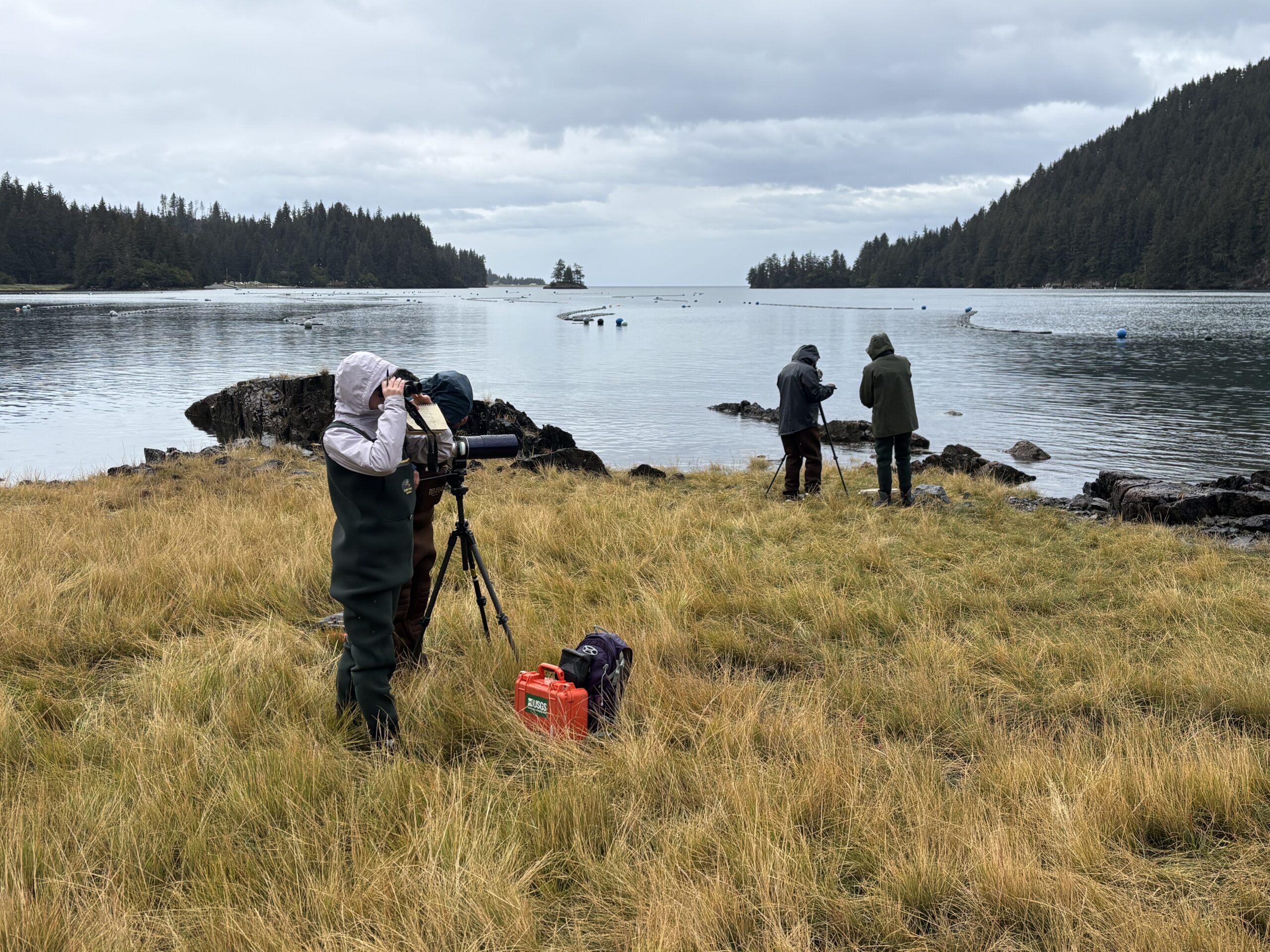
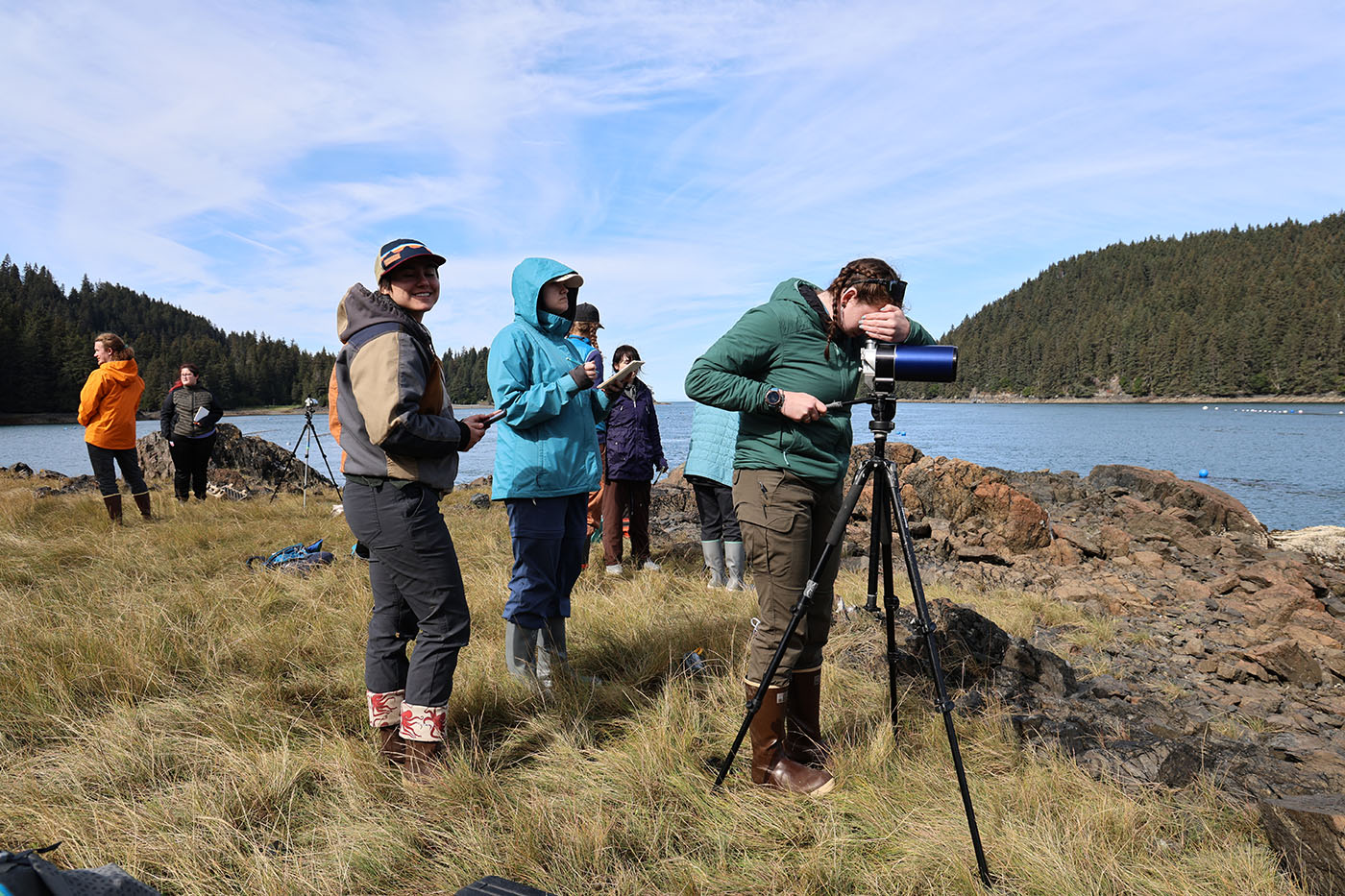
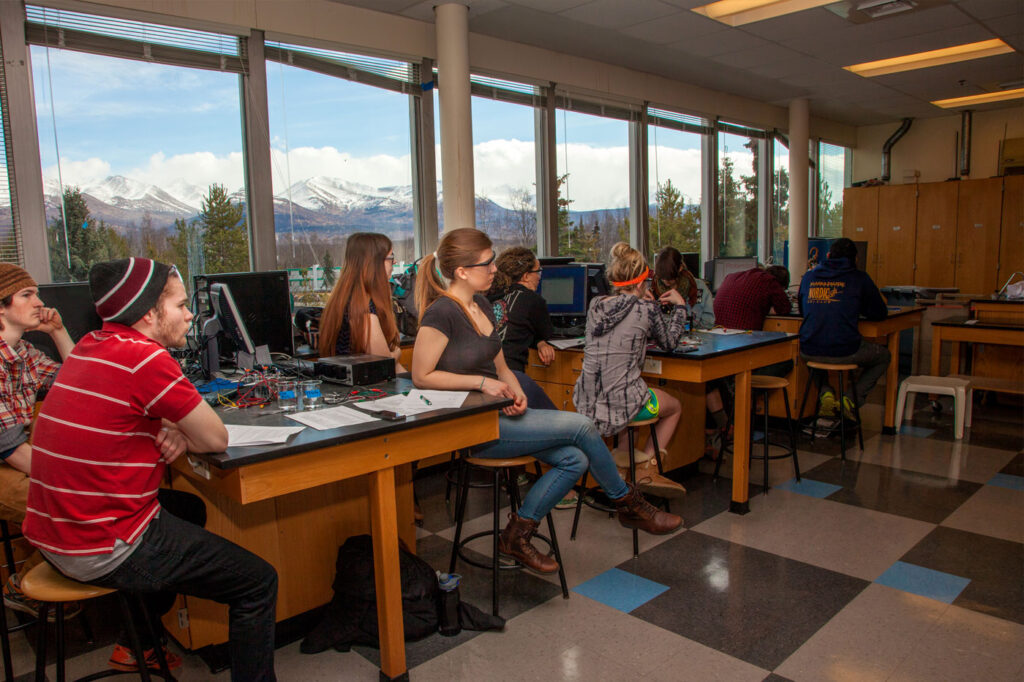
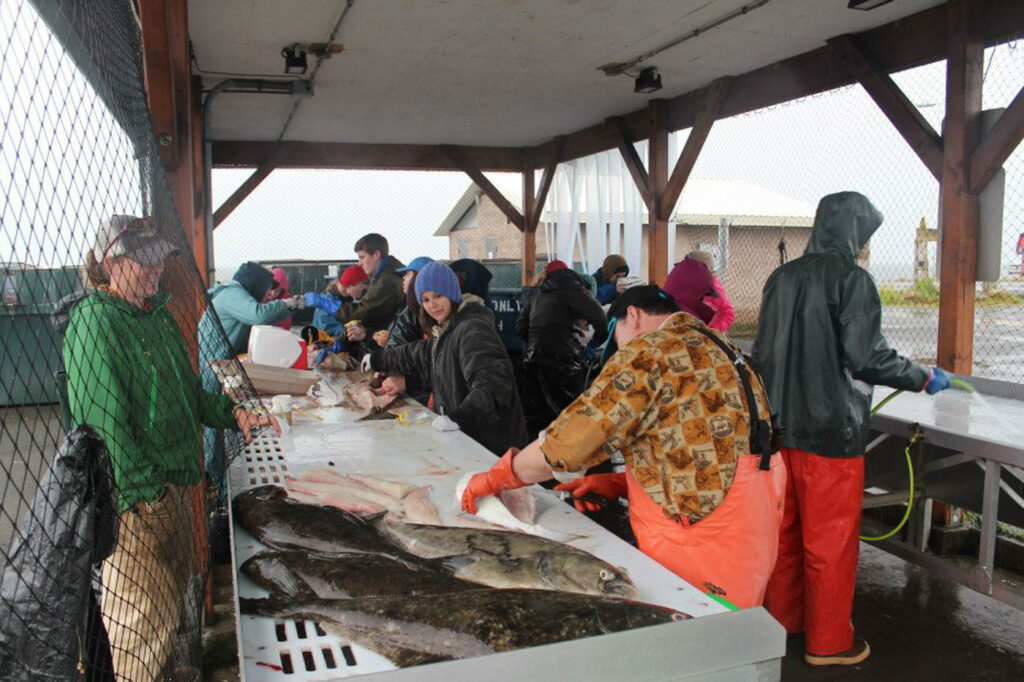
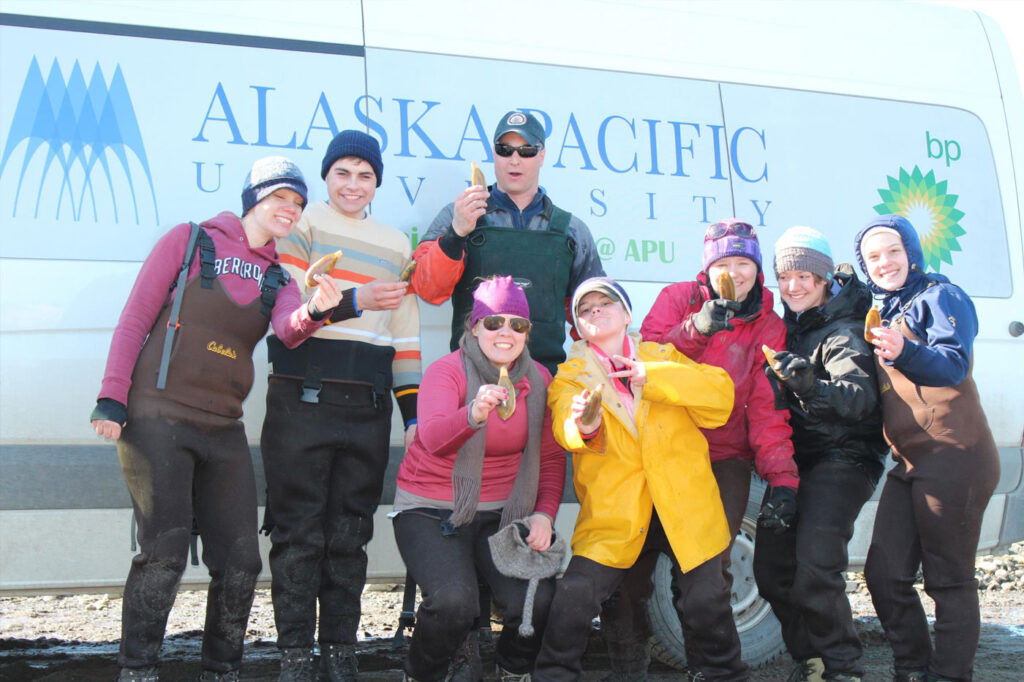
Human impacts on the environment are at the forefront of scientific, cultural, and political discourse at the local and global levels. The BS in Marine & Environmental Sciences (MES) provides students with the tools necessary to collect, analyze, and interpret scientific data towards managing and mitigating these impacts. With Alaska as our classroom, our students gain first-hand experience in field and laboratory settings, participate in projects addressing current Alaskan environmental issues, and foster the relationships necessary for a successful career in the sciences. Our faculty specialize in a wide variety of scientific fields ranging from earth sciences to behavioral ecology. As such, the MES degree offers a diverse, flexible, and relevant student experience.

Alaska boasts a stunning variety of ecosystems, from coastal and tundra landscapes to alpine regions, river systems, boreal forests, and glaciers. This variety allows students to develop a diverse scientific background while also offering the freedom to pursue topics about which they are passionate. If you are enthusiastic about understanding the natural world and human impacts on natural systems, the Marine and Environmental Sciences degree is for you.

Graduates of the BA in Environmental Studies pursue careers in the
following sectors:

  • Fisheries
  • Tribal Environmental Stewardship
  • State & Federal Environmental Agencies
  • Environmental Consulting
  • State and Federal Management Agencies
  • Environmental Education
  • Animal Husbandry and Life Support Systems
  • Natural Resource Companies
  • Graduate School
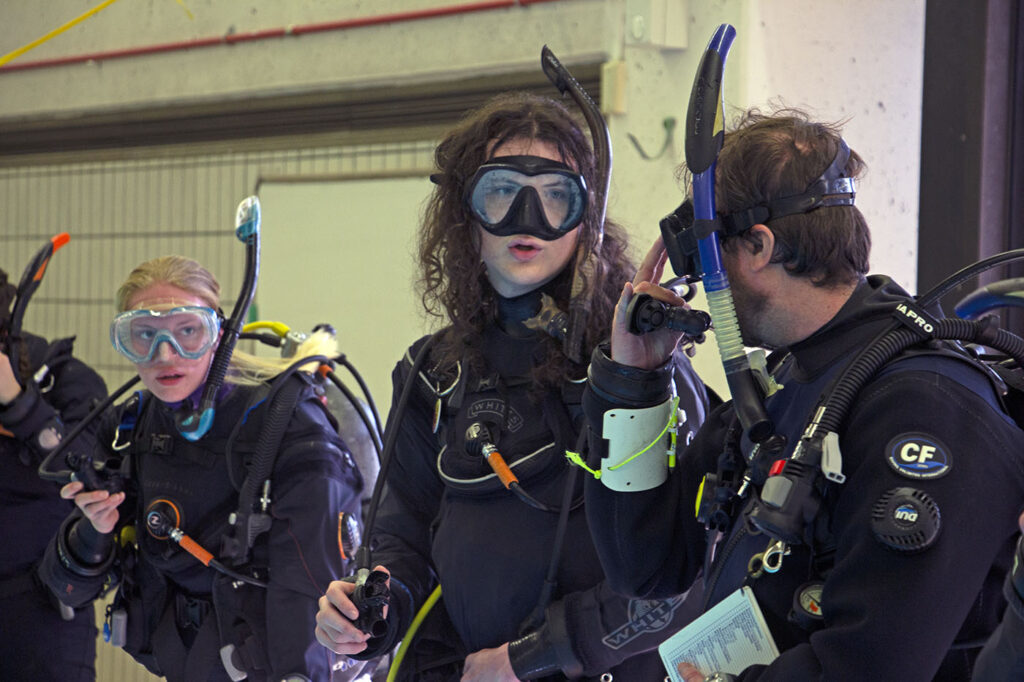
  • Scientific Diving

Sample classes at the undergraduate level:

Core Curriculum

Principles of Chemistry (1 & 2), Principles of Biology (1 & 2), Physical Geology, Environmental Ethics, Scientific Writing, Physics.

Quantitative Analysis and Modeling Classes

Introduction to Geographical Information Systems (GIS), Applied Geographical Information Systems, Introduction to Remote Sensing, Ecology, Applied Statistics for the Environmental Sciences, Calculus and Analytic Geometry.

Field Courses
  • Survey and Methods for Environmental Science
  • Oceanography
  • Scientific Diving
Sample of Upper Division Courses
  • Aquarium Biology
  • Animal Behavior
  • Climate Change
  • GIS and Remote Sensing
  • Human Impacts on the Marine Environment
  • Perspectives and Practice in Fish Biology
Degree Completion


128 credits minimum are required to complete the degree program. Core competencies, foundational, major, and self- determined studies are offered in a mixed format of:

  • On-campus
  • Online via synchronous learning
Marine Biology

The Marine Biology concentration allows you to specialize in the biology and ecology of marine organisms and ecosystems. With the changes to ocean ecosystems from climate change and other human activity this is an emerging area critical to the future of ocean health, ecosystem services, and global food security.

Earth & Climate Science

The Earth and Climate concentration prepares you to understand how the physical, chemical, and atmospheric processes of the Earth combine to shape geology, glacial and hydrological cycling, and global climate. Through coursework in Geomorphology, Weather and Climate, and Oceanography you’ll learn how connected these systems are in terrestrial, marine, and aquatic systems and how they drive our interactions with the planet.

Ecology

If you’re interested in terrestrial ecosystems and organisms and how they function the Ecology concentration is for you. You’ll learn about ecosystem and organism structure and function, ecological interactions and communities, population biology, animal behavior, and the spatial distribution of plant and animal life.

Fisheries Ecology

The Fisheries concentration trains you to work in fisheries management, with an understanding of the science, regulatory framework and policy, and management in the industry. This concentration prepares you for jobs in all three sectors – science, agency management, and industry.

Aquarium & Husbandry Science

Have you always wanted to work in an aquarium and care for animals in captivity? Then Aquarium and Husbandry Science is your ticket in! Learn to design and maintain aquarium systems, care for captive fish and invertebrates, and understand animal behavior.

General Marine and Environmental Sciences Degree

This option allows you to create a custom pathway based on your interest and passions!

  • Application
  • Application Fee*
  • Official Final High School Transcript**
  • Official College Transcript(s)

*Fee waiver available for those who qualify
** If less than 24 college credits earned

Minimum GPA: 2.5 or higher
If you have a GPA lower than 2.5, there is an additional step in the admissions process, and we are happy to work with you to complete your application.

Marine & Environmental Sciences

Master of Science

The Master of Science in Environmental Science (MSES) is an excellent option for those seeking careers in the natural sciences and working professionals interested in updating their skillsets for career progression. Students work with their faculty advisor to identify goals and create an individualized program of courses and research experience. The program culminates in the creation of a research thesis with potential for publication in peer reviewed scientific journals. The Marine and Environmental Science Faculty are experts in a broad range of scientific disciplines with diverse research portfolios. Students will work closely with faculty whose research programs and interests align with theirs.

MSES students develop the skills to conduct scientific research through collaboration on real-world projects with faculty and expert practitioners. Successful candidates will graduate with a publishable thesis project, a professional network, and the tools necessary for a successful career in environmental science.

MSES graduates pursue careers in the following sectors:

  • State and Federal Management Agencies
  • Tribal Environmental Stewardship
  • Fisheries Policy
  • Natural Resource Companies
  • Doctoral Programs
  • Commercial Fishing
  • Non-Profits
  • Education

MSES is a 48-credit graduate program, with time to completion dependent on the specific research project pursued. In addition to research, MSES students complete coursework in research and quantitative methods, scientific writing, and a variety of discipline specific classes. Interested in applied fisheries and marine science research? Check out the Fisheries, Aquatic Science, & Technology (FAST) Laboratory at Alaska Pacific University!

  • Research Methods
  • Quantitative Methods
  • Conservation Biology
  • Human Impacts in Marine Systems
  • Environmental Policy and Assessment
  • Climate Change
  • Environmental Ethics
  • Perspective and Practice in Fisheries Science
  • Geomorphology
  • Perspectives & Practice in Fish Biology
  • Applied Statistical Modeling
  • Principles of Glaciology
  • Geographic Information Systems
  • Remote Sensing

The MSES degree is research project based. Applicants should contact MSES/MES faculty to explore current project opportunities prior to submitting the following application materials:

  • Application
  • Application Fee
  • 3 Letters of Recommendation (dated within the last 6 months)
  • Current Resume or CV
  • 500-word statement of interest
  • Official GRE Test Scores*
  • Official Transcripts

Community and Place-Based Education


Gain knowledge and skills needed to run place-based educational programs in Alaska, including experiential education, Alaska Native and rural culture, outdoor skills and ethics.

Environmental Public Health


Prepare to be an environmental health professional, investigating, reporting, and addressing environmental hazards in the built and natural environment.
Outdoor Studies


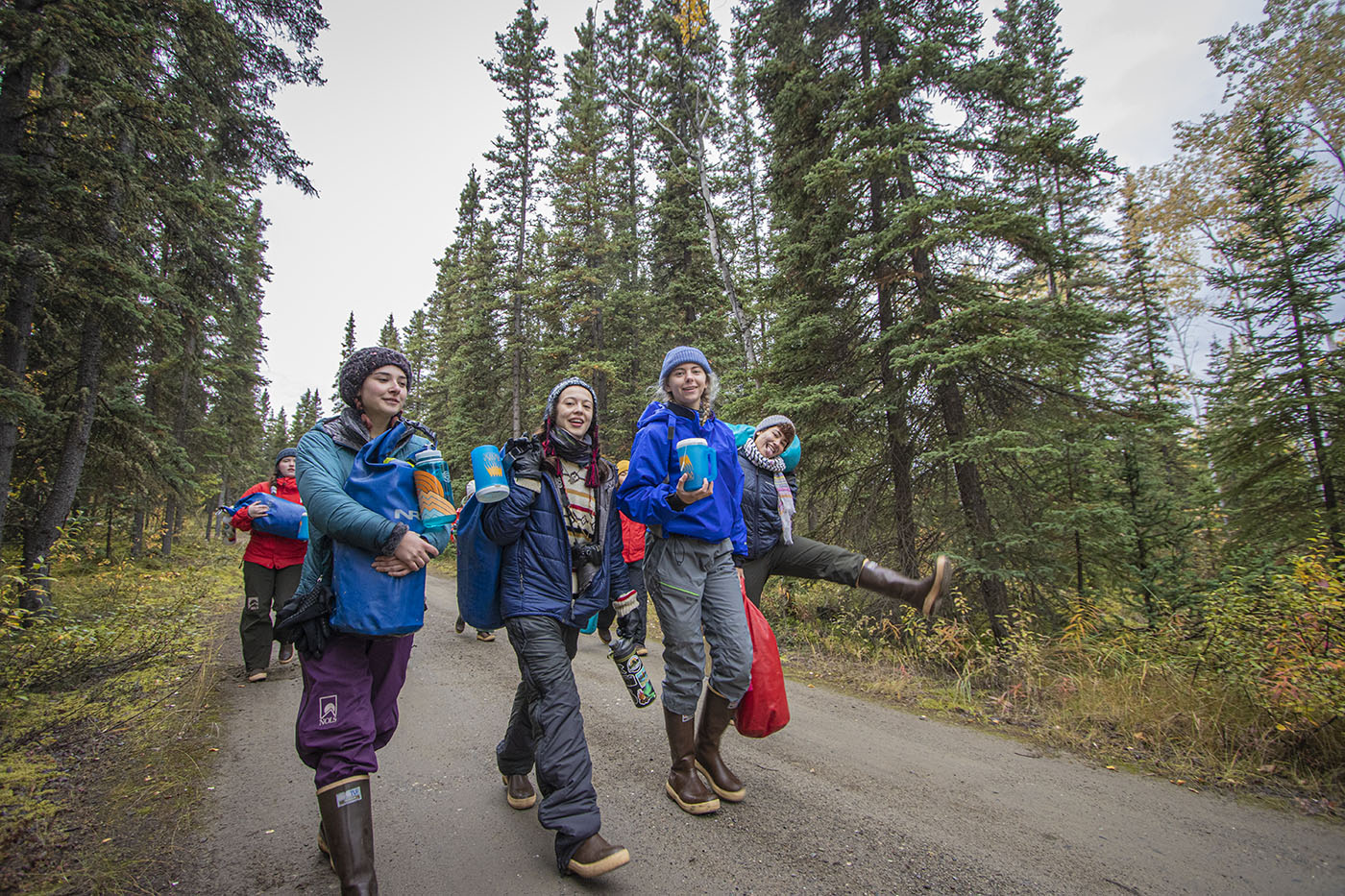
Prepare for a meaningful life and career working with people in the outdoors through expedition and active learning. The program leads to relevant practicum and employment opportunities.

Master of Science Outdoor & Environmental Education


Join a cohort of peers while pursuing your interest in outdoor, environmental, adventure and wilderness education in a place of unparalleled beauty.

Meet Our Team